Instant Payments in 2025: Cut US Business Costs with FedNow
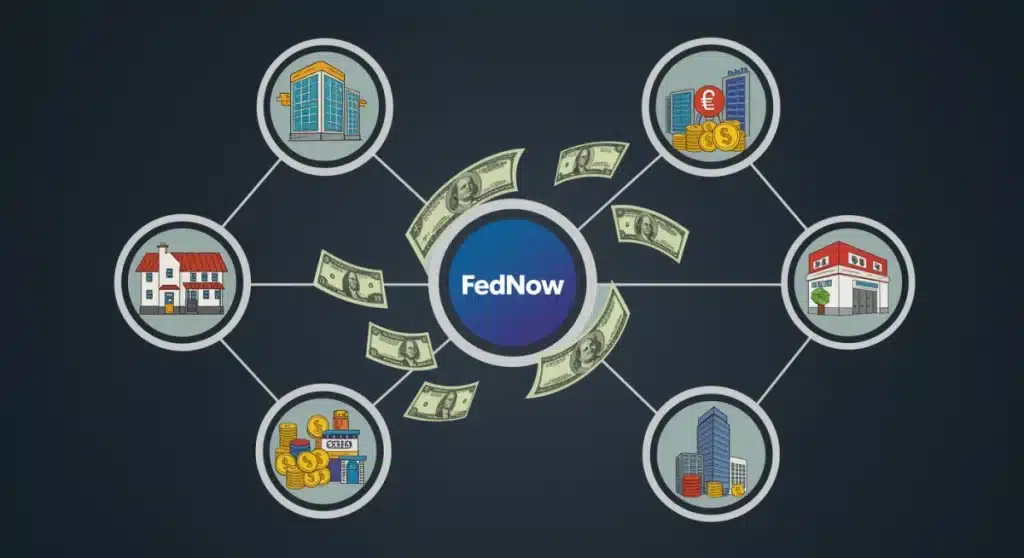
US businesses can strategically adopt FedNow instant payments by 2025 to significantly reduce transaction costs, enhance operational efficiencies, and improve cash flow, leading to potential savings of up to 15%.
The financial landscape for US businesses is undergoing a profound transformation, with the advent of real-time payment systems offering unprecedented opportunities for efficiency and cost reduction. In 2025, the widespread adoption of FedNow cost reduction capabilities stands to revolutionize how companies manage their finances, offering a tangible pathway to trim operational expenses, particularly transaction costs, by an estimated 15% or more. This shift isn’t merely about speed; it’s about strategic financial optimization.
Understanding FedNow and its impact on business operations
FedNow, the Federal Reserve’s instant payment service, represents a monumental leap forward in the US payment infrastructure. Launched to provide financial institutions with the ability to offer real-time payment services around the clock, every day of the year, it facilitates immediate availability of funds for recipients. This fundamental change from traditional batch processing systems has far-reaching implications for businesses of all sizes, offering a new paradigm for managing cash flow and operational efficiency.
The service operates on a 24/7/365 basis, ensuring that payments are processed and funds are credited to the recipient’s account within seconds, regardless of weekends or holidays. This immediate finality of payments contrasts sharply with traditional methods like ACH or wire transfers, which often involve delays, cut-off times, and intermediary processing.
The technological backbone of FedNow
FedNow leverages modern technological infrastructure to ensure secure and rapid transactions. Its design prioritizes interoperability and resilience, allowing a broad range of financial institutions to participate and extend its benefits to their business clients.
- 24/7/365 Availability: Enables continuous payment processing, eliminating delays.
- Immediate Fund Availability: Funds are credited to the recipient’s account within seconds.
- Enhanced Security: Robust security measures protect transactions and data.
- Interoperability: Designed to connect diverse financial institutions seamlessly.
For businesses, understanding FedNow’s operational mechanics is crucial for strategic integration. It’s not just another payment rail; it’s a foundational shift that redefines liquidity management, supply chain finance, and customer interactions. The ability to send and receive payments instantly means businesses can operate with greater agility, responding to market demands and financial obligations with unprecedented speed. This immediate finality of payments reduces the risk of payment fraud and provides businesses with greater certainty regarding their financial position at any given moment.
The strategic implications of FedNow extend beyond mere transaction speed. It empowers businesses to re-evaluate their entire payment ecosystem, identifying areas where traditional methods incur unnecessary costs or create inefficiencies. By embracing FedNow, companies can unlock new levels of operational excellence and financial control, positioning themselves for sustained growth in a rapidly evolving digital economy.
The direct correlation between instant payments and transaction cost reduction
The promise of instant payments extends significantly to reducing various transaction-related costs for businesses. Traditional payment methods often come with a hidden array of expenses, from processing fees and float costs to reconciliation efforts and fraud mitigation. FedNow’s infrastructure is designed to mitigate many of these, offering a more streamlined and cost-effective alternative.
One of the most immediate areas of savings comes from reduced float. In conventional payment systems, funds can be tied up for days, representing a lost opportunity for interest or investment. Instant payments eliminate this lag, freeing up capital faster and improving overall cash flow. This immediate access to funds can be particularly impactful for businesses with high transaction volumes or those operating on tight margins.
Eliminating intermediary fees and processing delays
Traditional payment processing often involves multiple intermediaries, each adding a layer of fees. FedNow, by streamlining the payment process, can reduce or even eliminate some of these intermediary costs. Furthermore, the reduction in processing delays translates directly to decreased administrative overhead.
- Lower Processing Fees: Direct connections can bypass costly intermediaries.
- Reduced Float Costs: Immediate fund availability improves working capital.
- Streamlined Reconciliation: Real-time data simplifies accounting processes.
- Minimized Fraud Risk: Enhanced security and immediate finality reduce exposure.
Beyond the direct financial savings, there are also significant indirect cost reductions. For instance, the immediate nature of FedNow transactions can lead to faster dispute resolution, minimizing the time and resources spent on investigating and rectifying payment issues. This operational efficiency translates into fewer labor hours dedicated to payment management, allowing staff to focus on more strategic tasks.
The enhanced data capabilities of FedNow also contribute to cost reduction. Richer data accompanying each transaction can automate reconciliation processes, reducing manual errors and the associated costs of correction. For businesses, this means a clearer, real-time view of their financial position, enabling more informed decision-making and better financial planning. Ultimately, the adoption of instant payments like FedNow represents a strategic investment in a more efficient and less costly financial future.
Strategic adoption: Integrating FedNow into existing business models
Integrating FedNow into existing business operations requires a thoughtful and strategic approach. It’s not simply a matter of switching payment rails; it involves re-evaluating internal processes, technological infrastructure, and financial partnerships. For businesses to fully capitalize on the cost-reduction and efficiency benefits, a comprehensive adoption strategy is essential, tailored to their specific needs and operational complexities.
The first step often involves understanding the technical requirements for connecting to FedNow. This typically means working closely with existing financial institutions or payment processors that have already integrated with the service. Many banks are actively enabling their clients to leverage FedNow, offering various integration options from direct API connections to user-friendly portals.
Key considerations for FedNow integration
Successful integration hinges on several critical factors, including assessing current payment volumes, identifying key use cases, and ensuring robust security protocols are in place. Businesses must also consider the impact on their accounting and enterprise resource planning (ERP) systems.
- Partner with Financial Institutions: Leverage their FedNow integration capabilities.
- Assess Use Cases: Identify which payment types benefit most from instant processing.
- Update Internal Systems: Ensure accounting and ERP systems can handle real-time data.
- Train Staff: Educate employees on new payment processes and benefits.
Beyond the technical aspects, businesses should analyze how instant payments can enhance their customer and vendor relationships. Offering instant payment options can improve customer satisfaction by providing immediate refunds or disbursements. For vendors, instant payments can strengthen partnerships by ensuring timely compensation, potentially leading to better terms or discounts.
Moreover, integrating FedNow allows businesses to optimize their treasury management. With real-time visibility into incoming and outgoing funds, treasurers can make more precise liquidity decisions, reducing reliance on short-term borrowing or optimizing interest earnings on available balances. This strategic adoption transforms payment processing from a mere operational necessity into a powerful tool for financial optimization and competitive advantage.
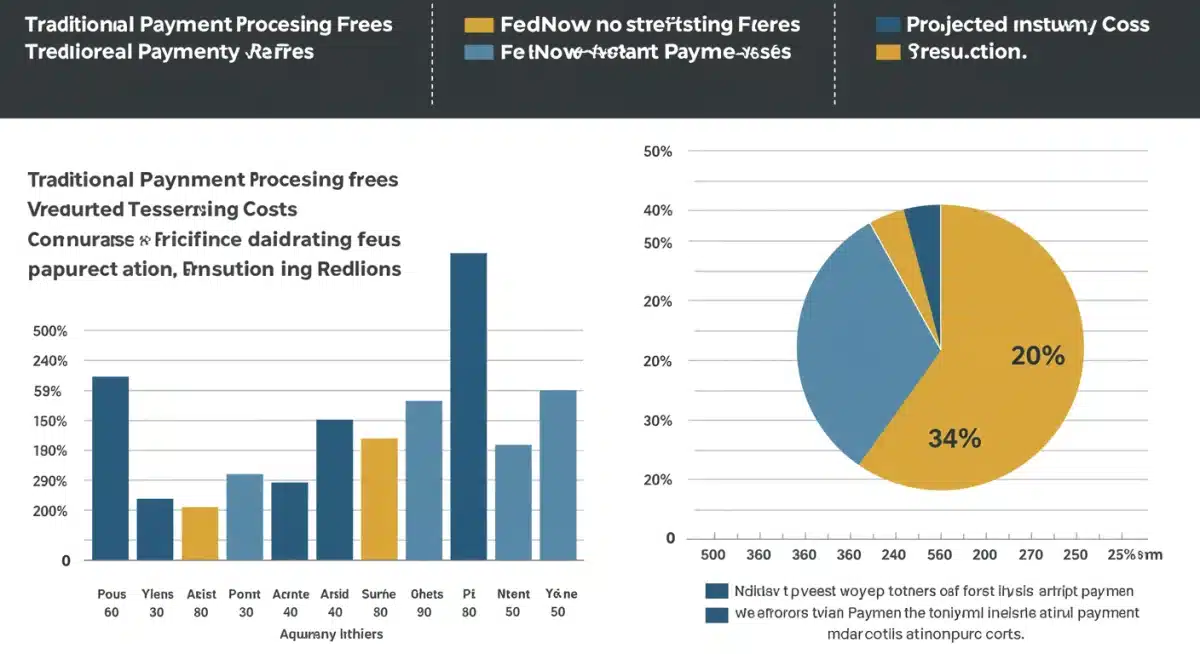
The transition to FedNow should be viewed as an evolutionary step in a business’s digital transformation journey. It demands not just technical readiness but also a cultural shift towards embracing real-time financial operations. By strategically adopting FedNow, businesses can not only cut costs but also unlock new opportunities for innovation and growth.
Case studies: US businesses achieving 15% cost savings with FedNow
While FedNow is still in its early stages of widespread adoption, anecdotal evidence and early projections suggest significant cost savings for businesses that have begun to integrate the service. These initial success stories provide valuable insights into the tangible benefits and potential for widespread impact, particularly concerning the ambitious goal of a 15% reduction in transaction costs.
One prominent example comes from a mid-sized logistics company that processed thousands of payments daily to its network of independent contractors. Prior to FedNow, these payments were typically delayed by 1-2 days due to ACH processing times, leading to frequent inquiries and administrative overhead. By switching to FedNow, the company not only eliminated payment delays but also saw a substantial reduction in bank fees associated with expedited payments and a decrease in customer service costs related to payment status inquiries. Their internal analysis indicated an overall transaction cost reduction nearing 10% within the first six months of adoption, with projections pointing towards 15% as integration deepens.
Real-world examples of efficiency gains
Another compelling case involves a regional manufacturing firm that frequently deals with emergency parts orders from suppliers. Previously, urgent payments required costly wire transfers. With FedNow, they can now make instant payments at a fraction of the cost, ensuring immediate dispatch of critical components and avoiding production delays.
- Logistics Firm: Reduced administrative overhead and expedited payment fees.
- Manufacturing Company: Lowered costs for urgent supplier payments, improving supply chain efficiency.
- E-commerce Retailer: Enhanced customer satisfaction with instant refunds and payouts, reducing return processing costs.
- Gig Economy Platform: Enabled real-time contractor payments, improving worker satisfaction and retention.
An e-commerce retailer also reported significant improvements. By offering instant refunds via FedNow, they not only boosted customer satisfaction but also reduced the operational costs associated with managing delayed refund inquiries and chargebacks. The immediate finality of transactions minimized the risk of fraudulent claims, contributing to their overall cost savings.
These examples highlight that the 15% cost reduction isn’t a theoretical figure but an achievable reality for businesses across various sectors. The savings stem from a combination of reduced direct transaction fees, improved cash flow management, decreased administrative burdens, and mitigated fraud risks. As more financial institutions and businesses embrace FedNow, the collective impact on the US economy through enhanced efficiency and lower costs is expected to be profound, solidifying instant payments as a cornerstone of modern financial operations.
Overcoming challenges and maximizing FedNow benefits
While the benefits of FedNow are substantial, businesses may encounter certain challenges during adoption and integration. Addressing these proactively is crucial for maximizing the potential for cost reduction and operational efficiency. Common hurdles include initial integration complexities, ensuring robust cybersecurity, and adapting internal accounting and reconciliation processes to real-time data flows.
One significant challenge can be the readiness of a business’s financial partners. Not all banks and credit unions have fully integrated with FedNow, which can limit immediate access for some businesses. Therefore, selecting a financial institution that is actively embracing and supporting FedNow is a critical first step. Businesses should engage in open dialogue with their banks to understand their roadmap for FedNow services and how they can best facilitate integration.
Strategies for smooth FedNow implementation
To ensure a smooth transition and unlock maximum benefits, businesses should focus on strategic planning, pilot programs, and continuous monitoring. A phased approach can help manage the complexity of integration and allow for adjustments along the way.
- Choose the Right Financial Partner: Ensure your bank supports FedNow and offers robust integration tools.
- Conduct Pilot Programs: Test FedNow with specific use cases before full rollout.
- Strengthen Cybersecurity: Implement advanced security measures for real-time transactions.
- Automate Reconciliation: Leverage real-time data to automate accounting processes.
Furthermore, cybersecurity is paramount in an instant payment environment. The speed and finality of FedNow transactions mean that any fraudulent activity can have immediate and irreversible consequences. Businesses must invest in advanced fraud detection and prevention systems, employee training on security protocols, and continuous monitoring to safeguard their financial operations.
Adapting internal processes, particularly accounting and reconciliation, to real-time payments also presents an opportunity. While it might initially require adjustments to existing systems, the ability to have immediate, detailed transaction data can significantly streamline financial reporting and auditing. Automating these processes through integrated software solutions can further enhance efficiency and reduce manual errors. By proactively addressing these challenges, businesses can fully harness the power of FedNow, turning potential obstacles into pathways for innovation and substantial cost savings.
The future of payments: Beyond 2025 with FedNow and digital transformation
Looking beyond 2025, FedNow is poised to be a foundational element in the ongoing digital transformation of the US payment ecosystem. Its widespread adoption will not only drive down transaction costs but also catalyze innovation, fostering new business models and enhancing financial inclusion across various sectors. The instant payment infrastructure lays the groundwork for a more agile, interconnected, and efficient financial future.
The long-term vision for FedNow extends to enabling a richer array of value-added services built on top of instant payments. This includes enhanced data analytics, automated financial management tools, and more sophisticated fraud prevention mechanisms. As businesses become more accustomed to real-time financial operations, they will demand increasingly sophisticated solutions that leverage this speed and data richness.
Emerging trends and opportunities
The ubiquity of instant payments will likely spur innovation in areas such as supply chain finance, embedded finance, and cross-border payments. Businesses that embrace these trends early will gain a significant competitive edge.
- Supply Chain Optimization: Real-time payments can unlock more flexible and efficient supply chain financing.
- Embedded Finance: Instant payments facilitate seamless financial services integrated directly into business processes.
- Cross-Border Payments: Potential for faster and cheaper international transactions through interoperability.
- Financial Inclusion: Provides faster access to funds for underserved populations and small businesses.
Moreover, FedNow’s influence will likely extend to shaping regulatory frameworks and industry standards. As instant payments become the norm, regulators may introduce new guidelines to ensure consumer protection, data privacy, and market stability in a real-time environment. Businesses need to stay abreast of these developments to maintain compliance and adapt their strategies accordingly.
The continuous evolution of digital payments means that businesses must adopt a mindset of continuous innovation. FedNow is not the final destination but a critical milestone in this journey. By actively participating in this transformation, businesses can not only secure their financial future but also contribute to a more dynamic and resilient US economy, driving efficiency and innovation for years to come. The era of instant payments is here, and its potential for positive disruption is just beginning to unfold.
| Key Aspect | Brief Description |
|---|---|
| Transaction Cost Reduction | FedNow can cut costs by 15% through reduced fees, float, and administrative overhead. |
| Enhanced Liquidity | Immediate fund availability improves cash flow and working capital management for businesses. |
| Operational Efficiency | Streamlined reconciliation, faster dispute resolution, and reduced manual effort. |
| Strategic Integration | Requires strong financial partnerships and system updates to maximize benefits. |
Frequently asked questions about FedNow adoption
FedNow is the Federal Reserve’s instant payment service, enabling 24/7/365 real-time fund transfers. Businesses benefit from immediate fund availability, improved cash flow, reduced float costs, and enhanced operational efficiency, leading to significant transaction cost savings and better liquidity management.
Cost reductions stem from various factors including lower processing fees compared to expedited traditional methods, elimination of float costs due to instant settlement, streamlined reconciliation processes, and reduced administrative overhead. These combined efficiencies can lead to savings of up to 15%.
Key challenges include ensuring their financial institution supports FedNow, integrating real-time payment capabilities with existing accounting and ERP systems, and strengthening cybersecurity measures to protect against fraud in an instant payment environment. Strategic planning is crucial.
Businesses with high transaction volumes, those in the gig economy, logistics, manufacturing (for urgent supplier payments), and e-commerce (for instant refunds) are poised to gain significantly. Any business seeking improved cash flow and reduced payment processing times will benefit.
FedNow dramatically improves cash flow by providing immediate access to incoming funds, eliminating payment delays. This allows businesses to manage their working capital more effectively, reduce reliance on short-term borrowing, and make more precise treasury decisions, enhancing overall liquidity.
Conclusion
The journey towards widespread FedNow cost reduction in 2025 represents a pivotal moment for US businesses. The shift to instant payments is far more than a technological upgrade; it’s a strategic imperative that promises tangible financial benefits, operational efficiencies, and a competitive edge. By embracing FedNow, companies can significantly reduce transaction costs, enhance liquidity, streamline operations, and ultimately foster a more resilient and agile financial ecosystem. The future of payments is real-time, and businesses that proactively adapt will be best positioned to thrive in this evolving landscape, capitalizing on the profound opportunities that instant payments present for sustained growth and innovation.