US P2P Payments: 6 Innovations Driving 25% Growth by 2026
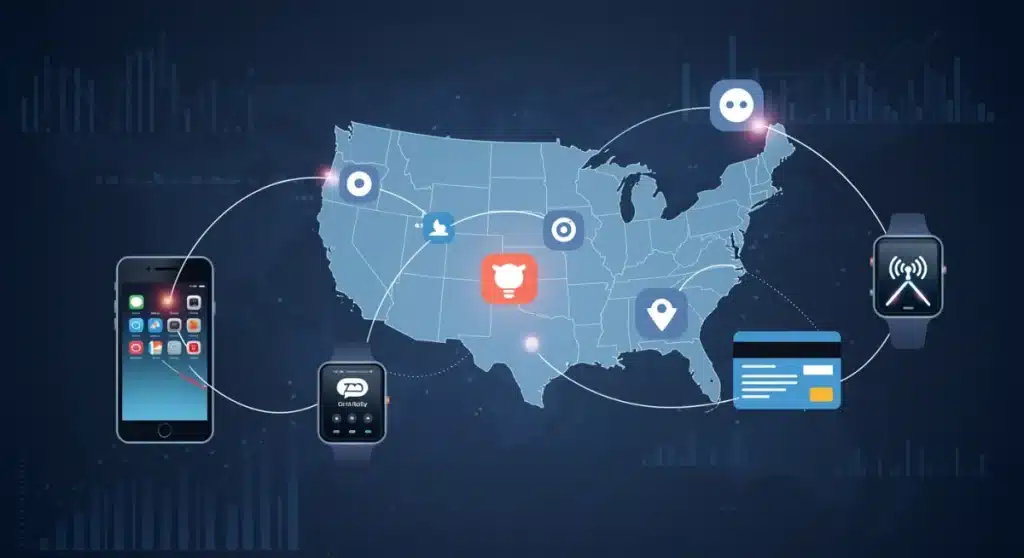
The future of US P2P payments is poised for a 25% market growth by late 2026, fueled by six pivotal innovations including instant payment networks, blockchain integration, AI-driven security, and enhanced interoperability.
The landscape of how Americans send and receive money from each other is undergoing a profound transformation. By late 2026, the market for US P2P payments future is projected to expand by a significant 25%, driven by a confluence of groundbreaking innovations that are reshaping convenience, security, and accessibility.
The rise of instant payment networks
Instant payment networks are revolutionizing the speed and efficiency of money transfers between individuals in the US. These systems allow for real-time settlement of funds, meaning that money sent from one person to another is available almost immediately, regardless of banking hours or traditional processing delays. This fundamental shift from batch processing to instantaneous transactions is a cornerstone of the projected market growth.
Historically, P2P payments could take days to clear, especially if they involved different banks or occurred outside of standard business hours. The advent of instant payment rails, such as the Federal Reserve’s FedNow Service and the continued expansion of RTP (Real-Time Payments) network, has eradicated these delays, providing users with unprecedented control over their finances. This immediate availability of funds is not just a convenience; it’s a critical enabler for a more dynamic and responsive financial ecosystem.
FedNow and RTP: key players in instant transfers
- FedNow Service: Launched to provide instant payment capabilities to financial institutions of all sizes across the US, enabling 24/7/365 real-time transfers.
- RTP Network: Operated by The Clearing House, this network offers immediate clearing and settlement of payments, fostering innovation in financial services.
- Ubiquitous Access: The goal is for instant payment options to be as common as traditional electronic transfers, accessible through various banking and payment apps.
The broad adoption of these instant payment networks is fostering a new era of financial fluidity. Consumers can pay bills instantly, split costs with friends without delay, and manage emergencies with immediate access to funds. This real-time capability is not only changing user behavior but also pushing financial institutions to innovate their service offerings to remain competitive in a rapidly evolving market.
Blockchain and cryptocurrency integration
While still in nascent stages for mainstream P2P, blockchain technology and cryptocurrencies are emerging as powerful forces that could significantly influence the US P2P payment landscape. The decentralized nature of blockchain offers the promise of enhanced security, transparency, and lower transaction costs, particularly for cross-border payments, though its domestic application is also gaining traction.
The underlying technology of cryptocurrencies, blockchain, provides an immutable ledger of transactions, reducing the risk of fraud and disputes. Stablecoins, which are cryptocurrencies pegged to the US dollar, are particularly relevant for P2P payments as they aim to combine the stability of fiat currency with the efficiency of blockchain. This combination could offer a compelling alternative to traditional payment methods.
Stablecoins and CBDCs: the future of digital currency
- Stablecoin Adoption: Increasingly used for faster, cheaper transfers, especially by early adopters seeking alternatives to traditional banking rails.
- Central Bank Digital Currencies (CBDCs): While still under exploration in the US, a digital dollar could offer a government-backed, secure, and instant P2P payment method.
- Enhanced Security: Blockchain’s cryptographic security measures reduce the vulnerability to hacks and unauthorized access, enhancing user trust.
The integration of blockchain and cryptocurrencies into P2P platforms presents both opportunities and challenges. Regulatory clarity, scalability, and user education remain critical hurdles. However, the potential for disintermediation, reduced fees, and global reach positions these technologies as significant drivers for future market growth and innovation in the US P2P payment sector.
AI and machine learning for enhanced security and personalization
Artificial intelligence (AI) and machine learning (ML) are no longer just buzzwords; they are actively shaping the security and user experience of P2P payments. These technologies are crucial for detecting and preventing fraud, a persistent concern in digital transactions, and for offering personalized financial insights to users. As P2P transactions grow, so does the sophistication of threats, making AI/ML indispensable for maintaining trust.
AI algorithms can analyze vast amounts of transaction data in real-time, identifying unusual patterns or behaviors that might indicate fraudulent activity. This proactive approach to security helps protect users from scams and unauthorized access to their funds. Beyond security, AI also plays a role in personalizing the user experience, offering tailored financial advice, budgeting tools, and even predicting spending habits.
Smart fraud detection and user experience
- Real-time Fraud Detection: AI systems monitor transactions for anomalies, flagging suspicious activity instantly to prevent financial losses.
- Behavioral Biometrics: ML algorithms analyze user interaction patterns (typing speed, swipe gestures) to verify identity and detect account takeovers.
- Personalized Financial Management: AI-powered tools offer insights into spending, help set budgets, and suggest ways to save or invest, enhancing overall financial wellness.
The continuous evolution of AI and ML will further fortify P2P payment systems against emerging threats, while simultaneously making them more intuitive and user-friendly. This dual benefit of enhanced security and personalized service is a powerful engine for driving greater adoption and trust in digital payment platforms, contributing significantly to the projected market expansion.
Open banking and API-driven interoperability
Open banking initiatives and the widespread adoption of Application Programming Interfaces (APIs) are breaking down traditional silos between financial institutions, fostering unprecedented interoperability in the P2P payment ecosystem. This shift allows for seamless integration of payment services across different platforms, giving users more flexibility and choice in how they manage their money.
Through open APIs, third-party developers can create innovative financial applications that connect directly with users’ bank accounts, with their explicit consent. This means a user could initiate a P2P payment from a budgeting app, a social media platform, or even an e-commerce site, without having to navigate to their traditional banking app. This interconnectedness is a key driver for the ease and ubiquity of future P2P transactions.
Seamless connections for diverse platforms
- Unified Payment Experience: Users can manage and initiate payments from a central hub, regardless of the underlying financial institution.
- Innovation Ecosystem: Open APIs encourage fintech startups to build new, specialized P2P services that cater to niche markets or specific needs.
- Data Portability: With user consent, financial data can be securely shared, leading to more personalized and competitive financial products.
The move towards open banking and API-driven interoperability is fundamentally changing the competitive landscape, pushing traditional banks to collaborate with fintechs and embrace new technologies. This collaborative environment ultimately benefits the consumer, offering a wider array of services and a more integrated, efficient P2P payment experience, fueling the anticipated market growth.
Wearable technology and IoT payments
The convenience of P2P payments is extending beyond smartphones to an array of connected devices, including smartwatches, fitness trackers, and even smart home appliances. Wearable technology and the Internet of Things (IoT) are poised to make sending and receiving money an even more integrated and frictionless part of daily life, eliminating the need to carry physical cards or even a phone for certain transactions.
Imagine paying back a friend for coffee with a tap of your smartwatch, or receiving money from a family member directly to an IoT-enabled device that notifies you instantly. These scenarios are rapidly becoming reality. As these devices become more ubiquitous and their security features evolve, they will offer new, convenient channels for P2P interactions, expanding the overall reach and accessibility of digital payments.
Frictionless transactions from connected devices
- Smartwatch Payments: Quick and convenient payments or requests directly from the wrist, ideal for on-the-go transactions.
- IoT Integration: Potential for P2P payments to be initiated through smart home devices for shared expenses or family allowances.
- Biometric Authentication: Enhanced security features on wearables, such as heart rate monitoring or fingerprint recognition, make these payments secure.
The integration of P2P functionality into wearable technology and IoT devices represents a natural evolution of digital payments. As consumers become more comfortable with these technologies, and as security protocols become more robust, these platforms will undoubtedly contribute to the expansion of the P2P payment market, offering unparalleled convenience and embedding financial transactions seamlessly into everyday activities.
Enhanced user experience and accessibility
Beyond technological advancements, a significant driver of P2P market growth is the continuous focus on improving the user experience and ensuring broad accessibility. Payment platforms are investing heavily in intuitive interfaces, simplified onboarding processes, and features that cater to diverse user needs, including those with disabilities or limited digital literacy. A truly inclusive payment ecosystem is vital for widespread adoption.
User-friendly design, clear communication, and responsive customer support are paramount. Platforms are also incorporating features like voice commands, multi-language support, and customizable interfaces to make P2P payments accessible to a wider demographic. The easier and more pleasant it is to use these services, the more likely people are to adopt and rely on them for their daily financial interactions.
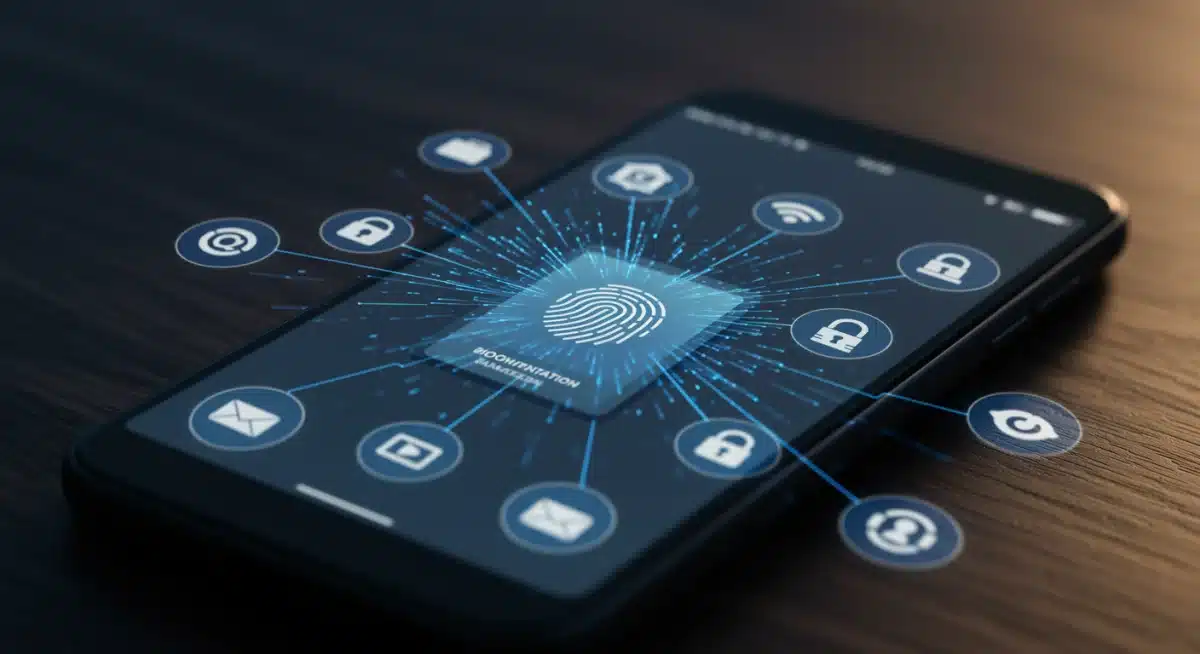
Inclusive design and seamless interactions
- Intuitive Interfaces: Streamlined designs that make sending and receiving money straightforward for all users, regardless of tech savviness.
- Voice-Activated Payments: Integration with virtual assistants for hands-free transactions, enhancing convenience and accessibility.
- Financial Education Tools: In-app resources and guides to help users understand and effectively manage their digital payments.
The relentless pursuit of a superior user experience and universal accessibility is not merely about aesthetics; it’s a strategic imperative for market expansion. By making P2P payments simple, secure, and available to everyone, regardless of their technological proficiency or physical ability, platforms can unlock new user segments and solidify existing ones, ensuring sustained growth in the dynamic US P2P payments market.
| Key Innovation | Impact on US P2P Payments |
|---|---|
| Instant Payment Networks | Enables real-time fund transfers 24/7, eliminating delays and increasing liquidity for users. |
| Blockchain & Cryptocurrencies | Offers enhanced security, transparency, and potential for lower transaction costs, especially with stablecoins. |
| AI & Machine Learning | Powers advanced fraud detection and personalizes user experiences, boosting security and engagement. |
| Open Banking & APIs | Fosters interoperability, allowing seamless integration of payment services across diverse platforms and apps. |
Frequently asked questions about US P2P payments
The projected growth is primarily driven by innovations such as instant payment networks (FedNow, RTP), the integration of blockchain and AI for security, open banking, wearable tech, and a strong focus on enhancing user experience and accessibility across platforms.
Instant payment networks enable real-time transfers, making funds available immediately, 24/7. This eliminates delays associated with traditional banking hours, providing greater financial flexibility and convenience for users across the US.
While still developing, stablecoins and potential CBDCs could offer secure, transparent, and lower-cost alternatives to traditional P2P. Regulatory clarity and scalability are key factors determining their widespread adoption in the US market.
AI and machine learning analyze transaction data in real-time to detect and prevent fraudulent activities. They identify unusual patterns and behavioral biometrics, protecting users from scams and unauthorized account access, thereby building greater trust.
Wearable devices like smartwatches and IoT devices offer new, convenient channels for P2P transactions. They enable frictionless payments and requests with a tap or voice command, extending the reach and accessibility of digital payments beyond smartphones.
Conclusion
The future of P2P payments in the US is undeniably dynamic, marked by an impressive trajectory of innovation and growth. The convergence of instant payment networks, blockchain integration, AI-driven security, open banking, wearable technology, and an unwavering commitment to user experience is collectively set to propel the market forward by 25% by late 2026. These advancements promise not just faster and more secure transactions, but a fundamentally more integrated and accessible financial ecosystem for all Americans, reshaping how we interact with money in our daily lives.