
Winning the 2026 US Fintech Talent War: Attracting and Retaining Top Fintech Engineers (INSIDER KNOWLEDGE)
The year is 2026, and the United States fintech landscape is a crucible of innovation, disruption, and fierce competition. At the heart of this dynamic ecosystem lies the most critical resource: talent. Specifically, the demand for highly skilled fintech engineers has reached unprecedented levels, creating what many industry observers are calling the Fintech Talent War. Companies, from established financial institutions to agile startups, are locked in a relentless battle to attract, recruit, and, crucially, retain the brightest minds capable of building the future of finance. This isn’t just about offering competitive salaries; it’s about understanding the unique motivations of this elite group and crafting an environment where they can thrive. This article delves deep into the strategies and insider knowledge necessary to emerge victorious in this high-stakes contest.
The Escalating Demand: Why Fintech Engineers Are Gold
Before we can discuss winning the Fintech Talent War, we must first understand its origins. The exponential growth of fintech is driven by several converging factors. Digital transformation, accelerated by the pandemic, has fundamentally altered how consumers and businesses interact with financial services. From AI-driven wealth management platforms and blockchain-powered payment systems to sophisticated cybersecurity protocols and embedded finance solutions, the technological complexity is soaring. Each of these innovations requires a specialized blend of financial acumen and cutting-edge engineering skills. Consequently, the demand for software engineers proficient in areas like:
- Distributed Ledger Technology (DLT) / Blockchain: For secure transactions and decentralized finance (DeFi).
- Artificial Intelligence (AI) & Machine Learning (ML): For fraud detection, algorithmic trading, personalized financial advice, and risk assessment.
- Cloud Computing: For scalable, resilient, and cost-effective infrastructure.
- Cybersecurity: To protect sensitive financial data from ever-evolving threats.
- Data Science & Big Data: For extracting insights from vast financial datasets.
- API Development: For seamless integration across various financial services.
These aren’t just buzzwords; they represent the foundational pillars of modern finance. Companies that fail to secure talent with these capabilities risk falling behind, losing market share, and ultimately becoming irrelevant. The scarcity of such specialized talent, coupled with the high stakes involved, is what fuels the intense Fintech Talent War.
Understanding the Modern Fintech Engineer: Beyond the Code
To effectively attract and retain talent in the Fintech Talent War, organizations must move beyond a simplistic view of engineers as mere coders. Today’s fintech engineers are often highly educated, intellectually curious, and driven by more than just salary. They seek purpose, impact, and continuous growth. Key characteristics include:
- Problem Solvers: They are drawn to complex challenges and thrive on finding innovative solutions to real-world financial problems.
- Impact-Driven: Many want to see the tangible impact of their work, whether it’s democratizing finance, improving financial literacy, or building more efficient systems.
- Continuous Learners: The fintech landscape evolves rapidly, and top engineers are committed to lifelong learning, constantly updating their skills.
- Autonomy and Ownership: They value the freedom to explore new ideas, take ownership of projects, and contribute meaningfully to strategic decisions.
- Ethical Considerations: With the power of financial technology, an increasing number of engineers are concerned with the ethical implications of their work and prefer to work for companies that align with their values.
Recognizing these nuanced motivations is the first step toward crafting a compelling employee value proposition that stands out in the crowded market for fintech talent.
Winning the Recruitment Battle: Attracting Top Fintech Engineers
In the current Fintech Talent War, a passive recruitment approach is a losing strategy. Companies must be proactive, innovative, and highly strategic. Here are some critical tactics:
1. Craft a Compelling Employer Brand
Your employer brand is your reputation as a place to work. For fintech engineers, this means showcasing your commitment to cutting-edge technology, challenging projects, and a culture of innovation. Highlight:
- Technological Prowess: What exciting technologies are you working with? Are you pushing boundaries in AI, blockchain, or quantum computing?
- Impact Stories: How does your product or service make a difference in the financial world or for your customers? Engineers want to build things that matter.
- Leadership & Vision: Articulate a clear vision for the future of finance and how engineers will contribute to it.
- Company Culture: Emphasize values like collaboration, transparency, diversity, and continuous learning.
2. Optimize Your Recruitment Process
Top engineers are in high demand and have little patience for cumbersome or disrespectful hiring processes. Streamline your approach:
- Speed & Efficiency: Move quickly. Long, drawn-out processes will lead candidates to accept offers elsewhere.
- Technical Relevance: Ensure technical interviews are relevant to the actual work and avoid theoretical brain teasers. Focus on problem-solving and practical skills.
- Candidate Experience: Treat candidates with respect. Provide clear communication, timely feedback, and a positive interaction at every stage.
- Diverse Sourcing: Look beyond traditional job boards. Engage with open-source communities, attend fintech hackathons, sponsor relevant tech conferences, and leverage employee referrals.
3. Competitive Compensation & Benefits, Reimagined
While not the only factor, compensation remains crucial. However, in the Fintech Talent War, ‘competitive’ has evolved:
- Holistic Packages: Beyond base salary, consider equity, performance bonuses, and sign-on bonuses.
- Health & Wellness: Comprehensive health insurance, mental health support, and wellness programs are increasingly important.
- Flexible Work Arrangements: Remote work, hybrid models, and flexible hours are now expectations, not perks.
- Learning & Development Budgets: Offer generous allowances for courses, certifications, conferences, and access to premium learning platforms. This signals your investment in their growth.
Retaining Your Stars: Nurturing Fintech Engineering Talent
Attracting talent is only half the battle; retaining them is the true test of an organization’s long-term success in the Fintech Talent War. High turnover is costly, disruptive, and damages employer brand. Here’s how to build an environment where engineers want to stay and thrive:
1. Foster a Culture of Innovation and Ownership
Fintech engineers are builders and problem-solvers. Give them the space and resources to innovate:
- Empowerment: Trust your engineers with significant projects and give them autonomy in how they approach solutions. Avoid micromanagement.
- Experimentation: Encourage a culture where failure is seen as a learning opportunity, not a punitive event. Dedicate time for ‘innovation sprints’ or ‘hack weeks.’
- Meaningful Work: Connect their daily tasks to the company’s larger mission and impact. Regularly communicate how their contributions are driving success.
- Access to Latest Tech: Provide state-of-the-art tools, software, and hardware. Engineers want to work with modern stacks and avoid legacy systems where possible.
2. Prioritize Continuous Learning and Career Growth
As mentioned, fintech engineers are lifelong learners. A robust learning and development framework is non-negotiable:
- Dedicated L&D Budgets: Formalize budgets for external courses, certifications (e.g., AWS, Azure, Google Cloud, specific blockchain protocols), and industry conferences.
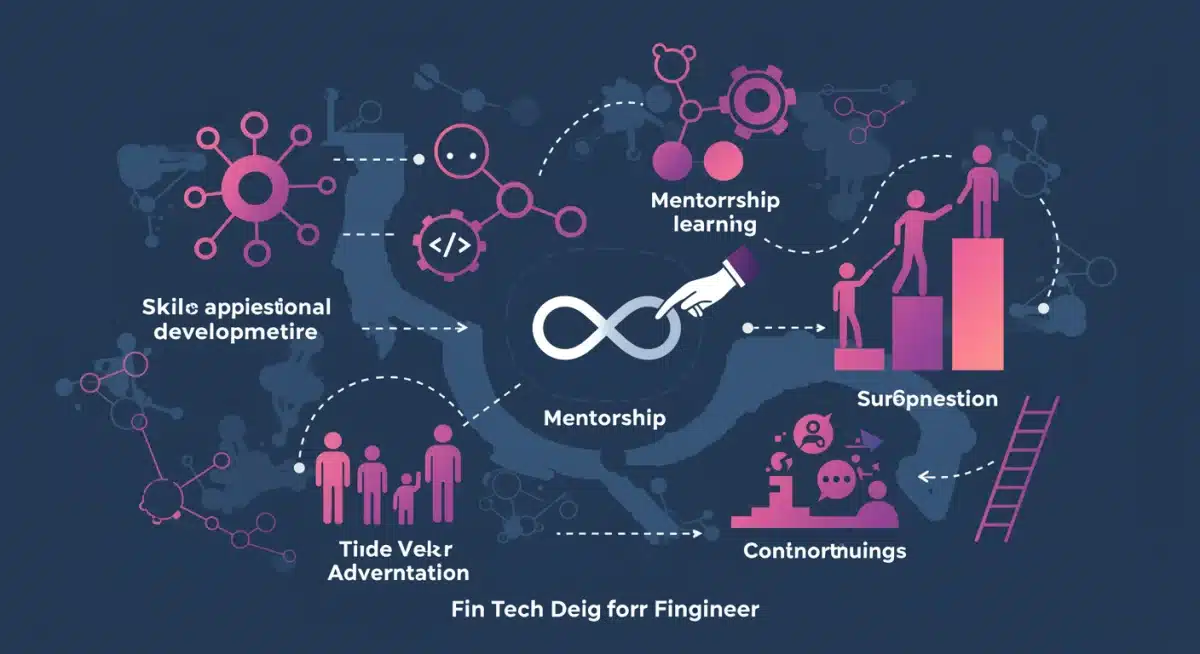
- Internal Mentorship Programs: Pair junior engineers with experienced senior staff to facilitate knowledge transfer and career guidance.
- Clear Career Paths: Outline clear progression paths, whether through technical leadership (e.g., Staff Engineer, Principal Engineer) or management tracks. Transparency about growth opportunities is key.
- Knowledge Sharing: Encourage internal tech talks, workshops, and documentation to foster a culture of shared learning.
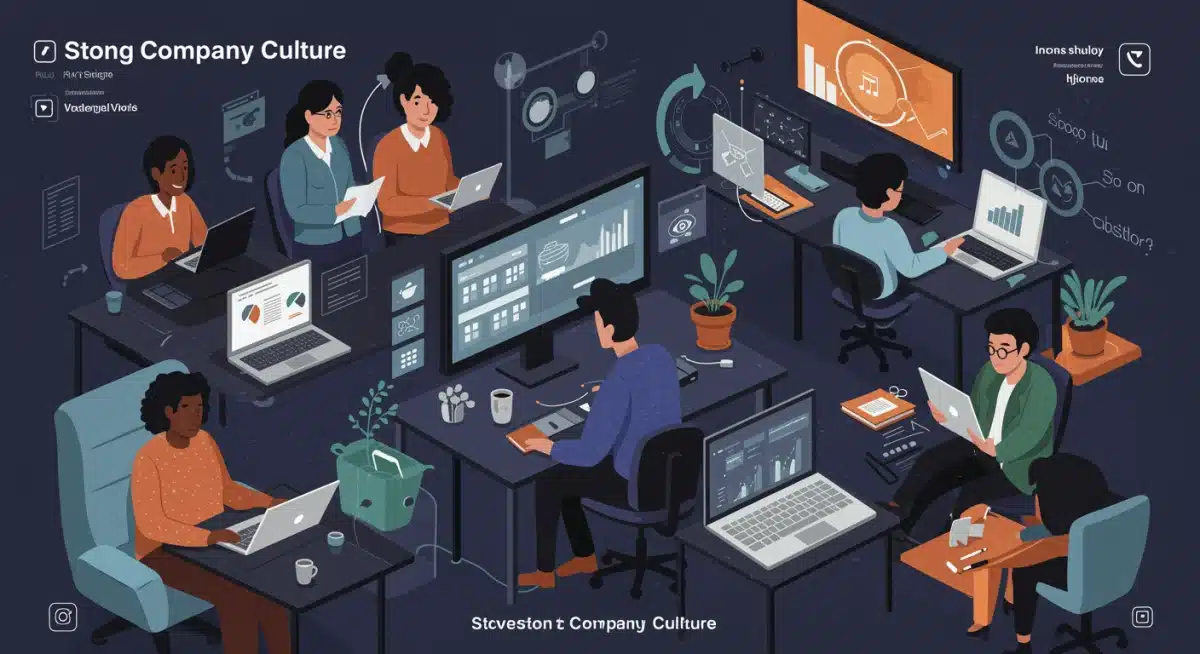
3. Build a Supportive and Inclusive Culture
A positive work environment is crucial for long-term retention. In the Fintech Talent War, culture can be a differentiator:
- Psychological Safety: Create an environment where engineers feel safe to voice ideas, ask questions, and admit mistakes without fear of retribution.
- Diversity, Equity, and Inclusion (DEI): Actively foster a diverse workforce and ensure an inclusive environment where all voices are heard and valued. This broadens perspectives and drives innovation.
- Work-Life Balance: Promote healthy boundaries between work and personal life. Burnout is a significant driver of attrition. Offer generous PTO, encourage its use, and avoid a culture of constant overtime.
- Recognition & Appreciation: Regularly acknowledge and reward contributions, both publicly and privately. Small gestures of appreciation go a long way.
4. Effective Leadership and Management
Management plays a pivotal role in retaining engineering talent. Poor management is a primary reason employees leave:
- Technical Managers: Ideally, engineering managers should have a strong technical background to understand the challenges their teams face and earn their respect.
- Servant Leadership: Managers should act as enablers, removing roadblocks, providing resources, and advocating for their teams.
- Regular Feedback: Implement a robust system for constructive feedback, both upward and downward. One-on-one meetings should be consistent and effective.
- Conflict Resolution: Managers must be adept at resolving team conflicts and fostering a collaborative atmosphere.
The Role of Emerging Technologies in Talent Retention
Paradoxically, the very technologies driving the Fintech Talent War can also be instruments of retention. By offering engineers the opportunity to work with cutting-edge tools and frameworks, companies can create an inherently attractive environment:
- AI/ML Development: Providing access to advanced AI platforms, large datasets, and the freedom to experiment with machine learning models keeps engineers engaged.
- Blockchain & DeFi Projects: For engineers passionate about decentralized systems, working on real-world blockchain applications or contributing to DeFi protocols is a powerful draw.
- Quantum Computing Exploration: While still nascent, companies investing in quantum computing R&D can attract highly specialized talent seeking to be at the forefront of technological advancement.
- Cybersecurity Innovation: Engineers focused on security are drawn to roles where they can tackle sophisticated threats using advanced techniques and tools.
Investing in these areas not only propels the company forward but also ensures that the engineering team remains challenged, stimulated, and at the cutting edge of their profession.
The Future Outlook: Navigating the 2026 and Beyond Fintech Talent War
The Fintech Talent War is not a temporary phenomenon; it’s the new normal. As financial technology continues its accelerated evolution, the demand for specialized engineering talent will only intensify. Companies that adapt quickly and strategically will be the ones that thrive. This means a continuous investment in people, culture, and technology.
Organizations must proactively cultivate relationships with academic institutions, invest in internal upskilling programs for existing employees, and even consider non-traditional hiring pipelines. The talent pool is not infinite, and innovative approaches to education and development will be crucial.
Furthermore, the global nature of talent cannot be ignored. While this article focuses on the US Fintech Talent War, savvy companies will explore international talent pools, leveraging remote work capabilities to access a wider array of skills, while carefully navigating regulatory and cultural differences.
Ultimately, winning the Fintech Talent War in 2026 and beyond will come down to more than just competitive offers. It will be about building a reputation as an organization that truly values its engineers, provides them with challenging and meaningful work, fosters their continuous growth, and champions an inclusive and supportive environment. Those who master these elements will not only attract the best but will also build resilient, innovative teams capable of shaping the future of finance.
Conclusion: Strategic Imperatives for the Fintech Talent War
The 2026 US Fintech Talent War presents both significant challenges and immense opportunities. For companies aspiring to lead in the financial technology sector, understanding and effectively responding to the dynamics of this talent crunch is paramount. It requires a multi-faceted strategy that encompasses:
- Proactive Employer Branding: Clearly articulating your vision, technological leadership, and positive culture.
- Streamlined & Respectful Recruitment: Making the hiring process efficient, relevant, and candidate-centric.
- Holistic Compensation & Benefits: Offering packages that go beyond salary to include equity, wellness, and flexibility.
- Culture of Innovation & Empowerment: Giving engineers autonomy, challenging work, and the tools to succeed.
- Robust Learning & Development: Investing heavily in continuous skill acquisition and clear career progression.
- Inclusive & Supportive Environment: Prioritizing psychological safety, diversity, and work-life balance.
- Effective Leadership: Ensuring managers are enablers, mentors, and technically adept.
- Embracing Emerging Technologies: Providing opportunities to work with cutting-edge AI, blockchain, and other advanced tech.
By implementing these strategies, organizations can transform from passive participants to active shapers of their talent destiny. The future of fintech depends on the engineers who build it, and winning their loyalty and expertise is the ultimate competitive advantage. The time to invest in these strategies is now, to secure your place at the forefront of financial innovation.