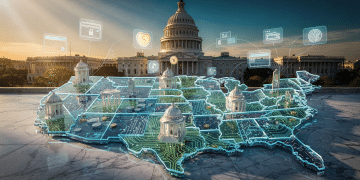
Q1 2026 US State Fintech Legislation: A Comprehensive Update for National Operators
This article provides a time-sensitive Q1 2026 update on US state-level fintech legislation, offering crucial insights for national operators. Understand the evolving regulatory landscape, key legislative changes, and strategic implications for your business to ensure ongoing compliance and operational efficiency.

Fintech API Integration: 25% Faster for US Companies by 2026
This comprehensive guide provides US Fintechs with actionable strategies to accelerate API integration by 25% before mid-2026. Learn about standardized APIs, robust documentation, developer portals, and security best practices to gain a competitive edge.

Winning the 2026 US Fintech Talent War: Strategies for Engineers
The 2026 US Fintech Talent War is intensifying. This article provides insider knowledge and actionable strategies for companies to attract, engage, and retain the best fintech engineers in a highly competitive market.

Blockchain Adoption US Fintech: 2026 Practical Roadmap
This article outlines a practical 2026 roadmap for US Fintech companies to adopt blockchain technology, detailing implementation strategies, overcoming challenges, and maximizing the benefits of distributed ledger technology for enhanced efficiency and security.

US Regulatory Sandboxes 2026: Maximizing Innovation Opportunities
Discover how US regulatory sandboxes are evolving in 2026 to foster innovation. This guide covers recent updates, benefits, challenges, and strategic approaches for businesses.

Boosting Consumer Trust in US Fintech: Strategies for Loyalty & Churn Reduction
Building consumer trust is paramount for US fintech success. This article explores actionable strategies to enhance trust, cultivate loyalty, and achieve a 10% reduction in customer churn by 2026, focusing on transparency, security, and personalized experiences.

Embedded Finance US: $50 Billion Growth by 2026
The embedded finance US market is poised for significant expansion, with projections indicating a robust $50 billion growth by late 2026, driven by seamless integration of financial services into everyday experiences.

CFPB Guidelines 2026: Consumer Protection in US Fintech
The evolving landscape of US fintech in 2026 demands a clear understanding of the latest CFPB guidelines to ensure robust consumer protection in digital financial products, balancing innovation with regulatory compliance.

US Fintech Investment Trends: VC Flow for Early-Stage Q1 2026
In Q1 2026, US fintech investment trends reveal a strategic focus on AI-driven solutions, embedded finance, and sustainable finance, with venture capital actively backing early-stage startups poised for disruptive innovation.

US Open Banking Adoption: 2026 Push for Standardized API Access
The US financial sector is rapidly advancing towards widespread US Open Banking Adoption by 2026, driven by a crucial push for standardized API access and robust data portability, revolutionizing how consumers interact with financial services.