Contactless Payments US: 30% Adoption Jump by 2026
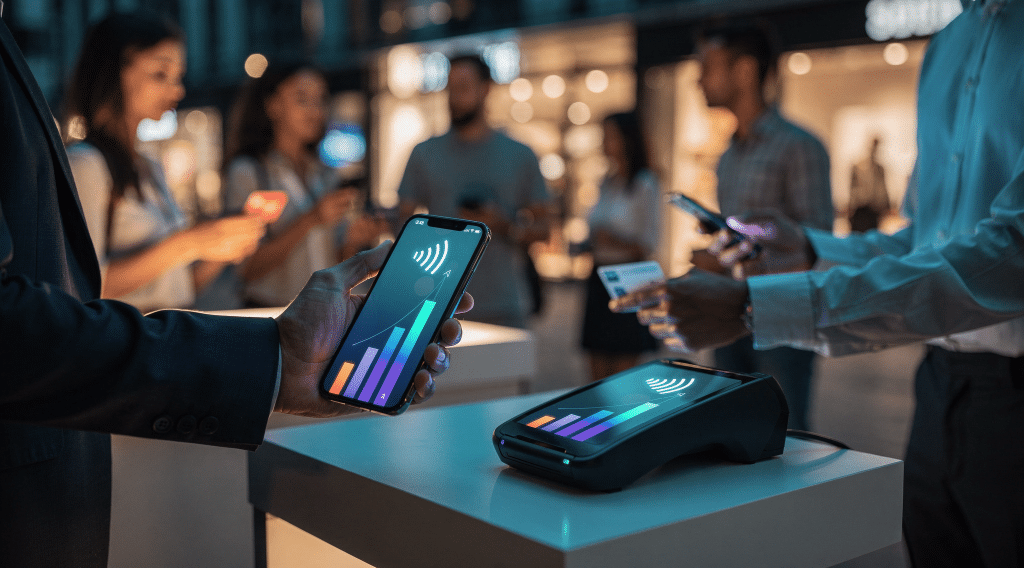
The landscape of commerce is in constant flux, driven by technological advancements and evolving consumer behaviors. Among the most transformative shifts in recent years has been the accelerated adoption of digital payment methods, particularly contactless payments US. This trend, initially spurred by a global health crisis, has firmly established itself as a preferred transaction method for millions. Projections suggest an even more dramatic uptake, with experts forecasting a remarkable 30% increase in US contactless payments adoption by mid-2026. This isn’t just a fleeting trend; it’s a fundamental reshaping of how Americans conduct financial transactions, promising greater convenience, speed, and security.
The Accelerating Rise of Contactless Payments US: A Deep Dive
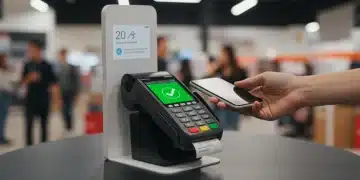
The journey of contactless payments US from niche technology to mainstream staple has been swift and decisive. What began as an experimental feature in a few payment cards and mobile apps has now become an expected, if not demanded, option at checkout counters nationwide. The sheer convenience of tapping a card, phone, or wearable device to complete a transaction has resonated deeply with consumers seeking efficiency in their daily lives.
Initially, the primary drivers for contactless adoption were speed and convenience. Eliminating the need to swipe, insert, or sign for smaller transactions significantly streamlines the checkout process. However, the COVID-19 pandemic introduced a powerful new catalyst: hygiene. The desire to minimize physical contact with shared surfaces, such as PIN pads, pushed many reluctant consumers and businesses alike towards contactless solutions. This period served as a critical educational phase, exposing a broad demographic to the simplicity and safety of contactless payments US, thereby cementing its place in the payment ecosystem.
Beyond the immediate benefits, the underlying technology, Near Field Communication (NFC), has also matured considerably. The infrastructure for contactless transactions is now robust, with a vast majority of point-of-sale (POS) terminals in the US equipped to handle NFC payments. This widespread availability is crucial for fostering consumer confidence and encouraging consistent usage. Furthermore, the integration of contactless capabilities into popular digital wallets like Apple Pay, Google Pay, and Samsung Pay has made it incredibly accessible, leveraging devices that consumers already carry daily.
The projected 30% increase in contactless payments US adoption by mid-2026 is not merely an optimistic guess; it’s a data-driven forecast based on current growth trajectories, ongoing infrastructural investments, and shifting consumer preferences. This surge signifies a critical inflection point where contactless becomes not just an alternative, but the default payment method for a significant portion of the American population.
Understanding the Mechanics: How Contactless Payments Work
At its core, contactless payments US rely on Near Field Communication (NFC) technology. NFC is a short-range wireless technology that enables communication between two devices when they are brought within a few centimeters of each other. In the context of payments, this typically involves a payment card, smartphone, or wearable device (like a smartwatch) and a compatible NFC-enabled payment terminal.
The Transaction Process:
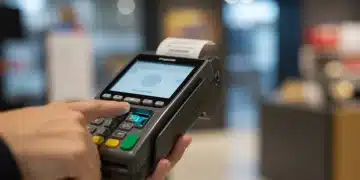
- Initiation: The customer brings their contactless-enabled device or card close to the payment terminal’s NFC reader.
- Data Exchange: The NFC chip in the device/card communicates securely with the terminal. It transmits encrypted payment information, including account details and a unique, one-time transaction code. This unique code is a key security feature, making it extremely difficult for fraudsters to intercept and reuse payment data.
- Authorization: The payment terminal sends this encrypted data to the payment network (e.g., Visa, Mastercard) for authorization.
- Confirmation: Once authorized, the terminal displays a confirmation message, and the transaction is complete. This entire process often takes less than a second.
The security of contactless payments US is a frequently discussed topic. Unlike traditional magnetic stripe cards, which transmit static account information, contactless transactions use tokenization. Tokenization replaces sensitive card data with a unique, encrypted token for each transaction. If a token were to be intercepted, it would be useless for subsequent transactions, significantly reducing the risk of fraud. Additionally, many contactless transactions, especially those above a certain threshold, still require a PIN or signature for added security, although this varies by issuer and merchant.
Key Drivers Behind the 30% Surge in US Contactless Payments Adoption
Several powerful forces are converging to propel the anticipated 30% increase in contactless payments US adoption. Understanding these drivers is crucial for businesses aiming to capitalize on this trend and for consumers looking to navigate the evolving payment landscape.
1. Enhanced Consumer Convenience and Speed
As touched upon earlier, the sheer speed and ease of contactless transactions are paramount. In an increasingly fast-paced world, consumers value any mechanism that saves them time. Tapping and going eliminates the need to fumble for cash, insert cards, or wait for chip readers to process. This efficiency is particularly appealing in high-volume environments like coffee shops, fast-food restaurants, and grocery stores where queues can be a significant deterrent.
2. Persistent Hygiene Concerns
While the immediate panic of the pandemic has subsided, a heightened awareness of hygiene remains. Many consumers still prefer to avoid touching shared surfaces like PIN pads and cash. Contactless payments offer a clean, touch-free alternative that provides peace of mind, reinforcing its appeal as a safe transaction method.
3. Widespread Merchant Adoption and Infrastructure
The ubiquity of NFC-enabled POS terminals is a critical enabler. Major retailers, small businesses, and even public transport systems have invested heavily in upgrading their payment infrastructure. When consumers see the contactless symbol everywhere they shop, it normalizes the behavior and encourages consistent use. This network effect is essential for broad adoption.
4. Growth of Digital Wallets and Mobile Payments
The proliferation of smartphones and smartwatches has made digital wallets a convenient and accessible option for millions. Apple Pay, Google Pay, and Samsung Pay seamlessly integrate contactless functionality, allowing users to store multiple cards and make payments directly from their devices. The familiarity and integration of these platforms into daily tech routines significantly boost the usage of contactless payments US.
5. Security Enhancements and Fraud Reduction
Consumers are increasingly aware of data breaches and online fraud. The tokenization and encryption features inherent in contactless payments offer a more secure transaction method compared to traditional card swiping. This enhanced security builds trust and encourages greater reliance on contactless technology.
6. Issuer and Network Promotion
Payment networks (Visa, Mastercard, American Express, Discover) and financial institutions are actively promoting contactless payments US. They issue contactless-enabled cards by default, run marketing campaigns, and highlight the benefits of tapping to pay. This concerted effort from industry leaders plays a significant role in educating consumers and driving adoption.
7. Integration with Loyalty Programs and Rewards
Many digital wallets and bank apps are integrating loyalty programs and rewards directly into the contactless payment experience. This seamless integration adds further value, allowing consumers to earn points or apply discounts automatically when they tap to pay, enhancing the overall user experience.
The Impact on Businesses: Adapting to the Contactless Future
For businesses across the US, the projected surge in contactless payments US adoption presents both opportunities and necessities. Those who embrace this shift stand to gain significant competitive advantages, while those who lag may find themselves at a disadvantage.
Improved Customer Experience
Faster transaction times mean shorter queues and a more pleasant checkout experience. Customers appreciate efficiency, and businesses that can offer quick and seamless payments are likely to see increased customer satisfaction and repeat business. This is particularly true in retail and hospitality sectors where speed is often a key differentiator.
Increased Operational Efficiency
Reduced transaction times free up staff to focus on other tasks, improving overall operational efficiency. It also minimizes cash handling, which can reduce errors, theft, and the time spent on reconciliation. For many businesses, particularly small and medium-sized enterprises (SMEs), these efficiencies can translate directly into cost savings.
Enhanced Security and Reduced Fraud
By accepting contactless payments, businesses benefit from the inherent security features like tokenization. This can lead to a reduction in chargebacks and fraud-related losses, protecting their bottom line. Furthermore, less cash on premises can also deter theft.
Meeting Consumer Expectations
As contactless payments US become the norm, customers will increasingly expect to have this option. Businesses that don’t offer contactless payment may be perceived as outdated or inconvenient, potentially losing customers to competitors who do. Staying current with payment technology is crucial for maintaining relevance in the modern marketplace.
Data and Analytics Opportunities
Digital payment systems, including contactless, often provide richer transaction data than cash. This data can offer valuable insights into customer purchasing habits, peak transaction times, and popular products, enabling businesses to make more informed decisions about inventory, staffing, and marketing strategies.
Future-Proofing Payment Infrastructure
Investing in contactless-enabled POS systems is an investment in the future. As payment technologies continue to evolve, having a flexible and modern infrastructure will allow businesses to adapt more easily to new innovations, such as biometric payments or advanced digital wallet features. This proactive approach ensures long-term viability and competitiveness.
Challenges and Considerations for Widespread Contactless Payments US
While the trajectory for contactless payments US is overwhelmingly positive, there are still challenges and considerations that need to be addressed to ensure a smooth and equitable transition for all stakeholders.
Educating Remaining Skeptics
Despite widespread adoption, some consumers remain hesitant, often due to unfamiliarity or lingering security concerns. Ongoing educational campaigns are necessary to highlight the benefits and robust security features of contactless payments, reassuring those who are still on the fence. This includes clear signage at POS terminals and easily accessible information from financial institutions.
Ensuring Accessibility for All
While digital options are convenient, it’s important to ensure that payment systems remain inclusive. Not everyone has a smartphone, a bank account, or is comfortable with new technology. Businesses and policymakers must consider how to cater to these populations, perhaps by retaining cash options or exploring alternative inclusive digital solutions.
Interoperability and Standardization
As new payment methods emerge, ensuring seamless interoperability across different platforms, devices, and payment networks is crucial. Standardization efforts help prevent fragmentation and ensure a consistent user experience, which is vital for sustained adoption of contactless payments US.
Small Business Adoption Costs
While many large retailers have upgraded, some smaller businesses might still face initial costs for new POS terminals or software upgrades. Programs and incentives from payment processors or government agencies could help alleviate this burden, encouraging universal adoption.
Data Privacy Concerns
With any digital transaction, data privacy is a paramount concern. Consumers need assurances that their transaction data is being handled responsibly and securely. Strong privacy regulations and transparent data handling practices from payment providers are essential for maintaining trust.
The Future Beyond 2026: What’s Next for Contactless Payments US?
The projected 30% increase in contactless payments US adoption by mid-2026 is merely a stepping stone. The future of payments promises even more innovation, with contactless technology forming the bedrock for these advancements.
Biometric Payments
Expect to see a greater integration of biometric authentication, such as fingerprint and facial recognition, directly into contactless payment processes. This will add an even higher layer of security and convenience, potentially eliminating the need for PINs or signatures for most transactions.
Wearable Technology Integration
Smartwatches, fitness trackers, and even smart rings are already capable of contactless payments. This trend will only grow, with more devices incorporating payment functionality, making it even easier and more natural to pay on the go.
Internet of Things (IoT) Payments
Imagine smart refrigerators that order groceries and pay automatically, or connected cars that handle toll payments without human intervention. As the IoT ecosystem expands, contactless payment capabilities will be embedded into a wider array of devices, enabling seamless, invisible transactions.
Enhanced Personalization and Rewards
The data generated by contactless transactions, when managed responsibly, can enable highly personalized shopping experiences and targeted rewards. This could lead to more relevant offers and greater value for consumers, further incentivizing the use of digital payment methods.
Cross-Border Contactless Payments
As global travel resumes and digital payment standards converge, cross-border contactless payments US will become more prevalent and seamless, simplifying international transactions for travelers and businesses alike.
Conclusion: Embracing the Contactless Revolution
The projected 30% increase in contactless payments US adoption by mid-2026 is a clear indicator of a significant and irreversible shift in consumer behavior and payment infrastructure. This isn’t just about a new way to pay; it’s about a more efficient, secure, and convenient approach to commerce that benefits both consumers and businesses.
For individuals, embracing contactless payments means quicker transactions, enhanced security, and the convenience of paying with devices they already carry. For businesses, it translates into improved operational efficiency, better customer experiences, and a future-proofed payment system.
As we move towards mid-2026 and beyond, the contactless revolution will continue to evolve, paving the way for even more innovative and integrated payment solutions. Staying informed and adapting to these changes will be key to thriving in the increasingly digital economy. The future of payments is here, and it’s decidedly touch-and-go.