
US Fintech Innovation 2026: AI & Blockchain Driving Growth
In 2026, US fintech innovation is profoundly shaped by artificial intelligence and blockchain, catalyzing advancements in everything from personalized finance to secure digital transactions, redefining the financial landscape.
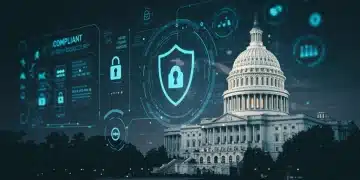
Building a Compliant US Fintech Startup: Key Frameworks for 2026
Effectively building a compliant US fintech startup in 2026 requires a proactive understanding of evolving regulatory frameworks, robust risk management, and strategic technological integration to prevent severe financial penalties and foster trust.

Data Localization Laws: US Fintechs Can Save 20% on Compliance
US fintechs confront rising compliance costs from data localization laws. This article explores strategic solutions and best practices to help these companies save up to 20% on compliance expenses by 2025, ensuring operational efficiency and regulatory adherence.

Zero-Trust Architectures for US Fintechs: Best ROI in 2025
Understanding which zero-trust architecture delivers the best return on investment for US fintechs in 2025 is crucial for robust cybersecurity and sustainable growth. This analysis delves into various models, assessing their efficacy and financial implications.