Mastering US Cross-Border Digital Payments: 4 Strategies to Cut Costs by 20%

Mastering US Cross-Border Digital Payments: 4 Strategies to Cut Costs by 20%
In today’s interconnected global economy, US businesses are increasingly engaging in cross-border transactions, making efficient and cost-effective digital payments a critical component of their success. However, navigating the intricate landscape of international finance often comes with a myriad of challenges, particularly when it comes to transaction costs. These costs, which can include everything from foreign exchange fees and transfer charges to intermediary bank fees and compliance expenses, can quickly erode profit margins if not managed strategically. For many businesses, the goal isn’t just to facilitate international payments, but to do so while significantly reducing the associated financial burden. This comprehensive guide will delve into four pivotal cross-border payment strategies that US businesses can implement to potentially cut their transaction costs by as much as 20%.
The digital revolution has transformed how money moves across borders, offering unprecedented speed and convenience. Yet, beneath this veneer of simplicity lies a complex web of regulations, technologies, and financial institutions, all contributing to the cost structure of international payments. Understanding these underlying mechanics is the first step toward optimization. Whether you’re a small e-commerce venture shipping products globally or a large corporation managing international payroll, optimizing your cross-border payment strategies is no longer a luxury but a necessity for maintaining a competitive edge and ensuring sustainable growth in the global marketplace. By adopting a proactive and informed approach, businesses can unlock significant savings, improve cash flow, and enhance their overall financial resilience.
The Evolving Landscape of Cross-Border Digital Payments
Before diving into specific strategies, it’s essential to grasp the dynamic nature of the cross-border digital payments landscape. This ecosystem is constantly evolving, driven by technological advancements, regulatory changes, and shifting consumer and business expectations. Traditional methods, often reliant on correspondent banking networks, can be slow, opaque, and expensive. The emergence of fintech innovators, blockchain technology, and new payment rails has introduced alternative solutions that promise greater efficiency and lower costs. However, with these innovations also comes the challenge of choosing the right tools and partners that align with a business’s specific needs and risk appetite.
For US businesses, the stakes are particularly high. The US dollar remains the world’s primary reserve currency, but the increasing globalization of commerce means dealing with a multitude of other currencies and payment systems. This complexity necessitates a nuanced understanding of foreign exchange (FX) rates, hedging strategies, and the various fees associated with different payment methods. Moreover, compliance with international anti-money laundering (AML) and know-your-customer (KYC) regulations adds another layer of complexity and cost. A well-defined set of cross-border payment strategies must address these multifaceted challenges head-on.
The trend towards instant payments and real-time settlement is also reshaping expectations. Businesses and consumers alike are demanding faster, more transparent, and more predictable international payment experiences. This demand is pushing financial institutions and payment providers to innovate, leading to a more competitive market where cost-efficiency is a key differentiator. Therefore, staying informed about the latest developments and proactively adapting your payment infrastructure is vital for any US business engaged in global trade.
Strategy 1: Leverage Specialized Payment Providers and Fintech Solutions
One of the most impactful cross-border payment strategies for reducing costs is to move beyond traditional banking channels and embrace specialized payment providers and innovative fintech solutions. While conventional banks offer reliability, their international transfer fees and foreign exchange markups can be substantial. Fintech companies, on the other hand, have emerged specifically to address these pain points, often providing more competitive rates and transparent fee structures.
Understanding the Advantages of Fintech
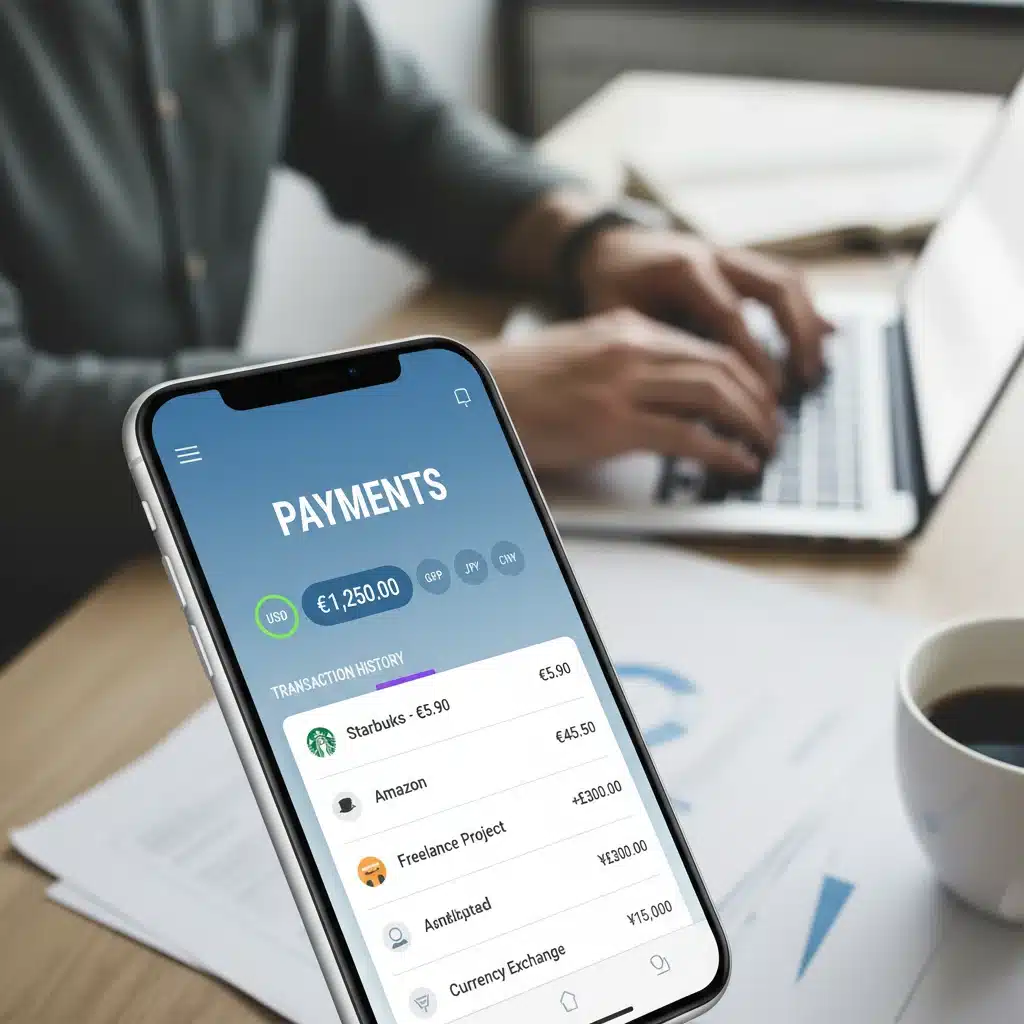
Fintech payment providers typically operate with lower overheads than traditional banks, allowing them to offer more favorable exchange rates and significantly reduced transaction fees. Many specialize in specific corridors or payment types, developing highly efficient infrastructure. For instance, some platforms offer multi-currency accounts, enabling businesses to hold funds in various currencies and convert them at optimal times, thereby minimizing FX conversion costs. These providers often use interbank exchange rates or very close to them, adding only a small, transparent markup, which is a stark contrast to the often-opaque and higher margins applied by traditional banks.
Moreover, fintech solutions often integrate advanced technology that streamlines the payment process. This includes API integrations for automated payments, real-time tracking, and enhanced reporting capabilities. Automation can reduce manual errors and administrative costs, further contributing to overall savings. When evaluating these providers, businesses should consider their fee structure (per-transaction fees, monthly charges, FX spreads), transfer speeds, supported currencies and countries, and integration capabilities with existing accounting or ERP systems.
Key Considerations for Selection
- Fee Transparency: Look for providers that clearly outline all fees, including FX margins, without hidden charges.
- Exchange Rates: Compare the exchange rates offered. Even small differences can accumulate into significant savings over time.
- Speed and Reliability: While cost is paramount, payment speed and reliability are also crucial for business operations and supplier relationships.
- Compliance and Security: Ensure the provider is regulated in relevant jurisdictions and employs robust security measures to protect funds and data.
- Integration: Seamless integration with your existing financial software can automate processes and reduce manual effort.
By carefully selecting and integrating the right fintech partner, US businesses can bypass many of the costly inefficiencies inherent in traditional cross-border payment systems, making this one of the most effective cross-border payment strategies for cost reduction.
Strategy 2: Optimize Foreign Exchange (FX) Management
Foreign exchange costs represent a significant portion of overall cross-border payment expenses. Fluctuations in currency rates can impact profit margins, and unfavorable conversion rates imposed by payment providers can further inflate costs. Therefore, a robust FX management strategy is indispensable for any US business seeking to reduce its international payment overheads. This strategy involves more than just accepting the prevailing exchange rate; it requires proactive planning and the use of specialized tools.
Hedging Strategies to Mitigate Risk
One primary aspect of FX optimization is mitigating currency risk through hedging strategies. For businesses with predictable international payment flows, forward contracts or options can lock in an exchange rate for a future transaction, protecting against adverse currency movements. While hedging itself may incur some costs, it provides certainty and can prevent significant losses if the market moves unfavorably. This is particularly relevant for large-value transactions or ongoing payment obligations.
Timing and Spot Transactions
For smaller, less predictable transactions, careful timing of spot transactions can still yield savings. Monitoring market trends and executing conversions when rates are most favorable can reduce costs. This requires access to real-time market data and potentially automated tools that can trigger conversions when certain rate thresholds are met. Utilizing multi-currency accounts, as mentioned earlier, also plays a crucial role here, allowing businesses to hold foreign currencies and convert them strategically rather than on an immediate, potentially unfavorable, basis.
Negotiating Better Rates
For businesses with high volumes of international transactions, it may be possible to negotiate better FX rates directly with banks or specialized FX brokers. Establishing a strong relationship and demonstrating consistent transaction volume can provide leverage for securing more competitive spreads. This proactive approach to negotiation is a key element of effective cross-border payment strategies.
Leveraging FX Platforms
Many fintech platforms and dedicated FX services offer superior rates compared to traditional banks. These platforms often aggregate liquidity from multiple sources, allowing them to provide tighter spreads. They also frequently offer advanced features like rate alerts and automated conversion tools. Integrating such a platform into your payment workflow can significantly enhance your FX management capabilities and reduce associated costs.
By actively managing foreign exchange exposure and leveraging specialized tools and services, US businesses can significantly reduce the impact of currency fluctuations and unfavorable conversion rates on their bottom line, making FX optimization a cornerstone of successful cross-border payment strategies.
Strategy 3: Consolidate and Batch Payments
Transaction fees often have a fixed component, meaning that making numerous small, individual payments can quickly become expensive. One effective cross-border payment strategy to combat this is to consolidate and batch payments whenever possible. By aggregating multiple smaller payments into a single, larger transaction, businesses can significantly reduce the per-payment fee.
The Economics of Batching
Consider a scenario where a business makes ten individual payments of $100 each, and each payment incurs a $5 transaction fee. The total fees would be $50. If these ten payments could be batched into a single $1000 transaction with a $10 fee, the savings would be $40. While this is a simplified example, the principle holds true for various payment methods and providers, especially for international transfers where fixed fees can be higher.
Implementing Batch Processing
Implementing batch processing requires careful planning and coordination, particularly with suppliers or recipients. It might involve adjusting payment schedules to allow for consolidation. For example, instead of paying individual invoices as they arrive, a business could agree to monthly or bi-weekly payment cycles with its international partners. This requires clear communication and agreement with all parties involved.
Many modern payment platforms and enterprise resource planning (ERP) systems offer batch payment capabilities, allowing businesses to upload a file containing multiple payment instructions. The system then processes these as a single transaction, reducing administrative overhead and transaction costs. This automation is key to making consolidation practical and efficient.
Benefits Beyond Cost Savings
Beyond direct cost savings, batching payments can also lead to administrative efficiencies. Processing fewer, larger transactions reduces the workload for accounting departments, minimizes reconciliation efforts, and can streamline cash flow management. This makes consolidation a powerful component of comprehensive cross-border payment strategies, offering both financial and operational advantages.
However, businesses must weigh the benefits of batching against potential impacts on supplier relationships or urgent payment needs. Flexibility and clear communication are essential to ensure that consolidation efforts do not negatively affect operational continuity or partner satisfaction. When implemented thoughtfully, consolidating and batching payments can be a highly effective method for achieving significant cost reductions in international transactions.
Strategy 4: Explore Blockchain and Distributed Ledger Technology (DLT)
The advent of blockchain and Distributed Ledger Technology (DLT) presents a revolutionary approach to cross-border payment strategies, promising to disrupt traditional financial systems by offering faster, more secure, and significantly cheaper international transactions. While still evolving, these technologies are rapidly gaining traction and offer compelling benefits for US businesses.
How Blockchain and DLT Reduce Costs
Traditional cross-border payments often involve multiple intermediaries (correspondent banks), each charging fees and adding to the overall transaction time. Blockchain and DLT-based payment systems, however, can facilitate direct peer-to-peer transfers, dramatically reducing the number of intermediaries. This disintermediation directly translates into lower fees and faster settlement times, often within minutes or seconds, compared to the days it can take for conventional transfers.
Furthermore, the transparency and immutability of blockchain records can enhance security and reduce the need for extensive reconciliation processes, thereby lowering administrative costs. Smart contracts, an integral part of many blockchain platforms, can automate payment execution based on predefined conditions, further streamlining operations and reducing manual intervention.
Current Implementations and Future Potential
Several financial institutions and fintech companies are already leveraging DLT for cross-border payments. Ripple’s network, for example, uses XRP as a bridge currency to facilitate real-time gross settlement of international payments, offering significant cost and speed advantages over SWIFT. Other initiatives, such as JPMorgan Chase’s JPM Coin and various stablecoins, are also exploring how digital currencies and DLT can optimize international money movement.
For US businesses, exploring these options means evaluating platforms that offer DLT-based payment rails. This might involve partnering with banks or payment providers that have integrated DLT into their services or directly using platforms that support cryptocurrency or stablecoin transfers for international payments. It’s crucial to understand the regulatory implications and volatility associated with cryptocurrencies, though stablecoins are designed to mitigate the latter by being pegged to fiat currencies.
Challenges and Opportunities
While the potential is immense, challenges remain, including regulatory clarity, scalability, and widespread adoption. However, as these technologies mature and become more integrated into the mainstream financial system, they will undoubtedly become a cornerstone of future cross-border payment strategies. Businesses that start exploring and experimenting with DLT now will be well-positioned to capitalize on its benefits as it gains broader acceptance.
By embracing blockchain and DLT, US businesses can not only achieve substantial cost reductions but also gain access to a more efficient, transparent, and resilient payment infrastructure for their global operations.
Implementing and Monitoring Your Strategies for Maximum Impact
Successfully implementing these cross-border payment strategies requires more than just understanding them; it demands a structured approach to execution and continuous monitoring. The goal is not a one-time fix but an ongoing optimization process that adapts to market changes and business evolution.
Conduct a Thorough Payment Audit
Before making any significant changes, conduct a detailed audit of your current cross-border payment processes. Document all outgoing and incoming international payments, identifying the methods used, associated fees (including FX spreads), settlement times, and any pain points. This audit will provide a baseline for measuring improvements and highlight areas where the greatest cost savings can be achieved. Analyze transaction volumes, average values, and the frequency of payments to different regions and in different currencies.
Pilot and Scale
When introducing new payment providers or technologies, consider running pilot programs with a subset of your international transactions. This allows you to test the new system, identify any integration issues, and assess actual cost savings and efficiency gains before a full-scale rollout. Collect data, solicit feedback from users and partners, and refine your approach based on these insights. Scaling up gradually helps manage risk and ensures a smoother transition.
Continuous Monitoring and Adjustment
The global payments landscape is dynamic. Currency rates fluctuate, new fintech solutions emerge, and regulatory environments change. Therefore, it’s crucial to continuously monitor the performance of your chosen cross-border payment strategies. Regularly review transaction costs, FX rates, and settlement times. Compare them against your initial audit benchmarks and industry averages. Be prepared to adjust your strategies, explore new providers, or renegotiate terms as market conditions evolve or your business needs change.
Leverage Data Analytics
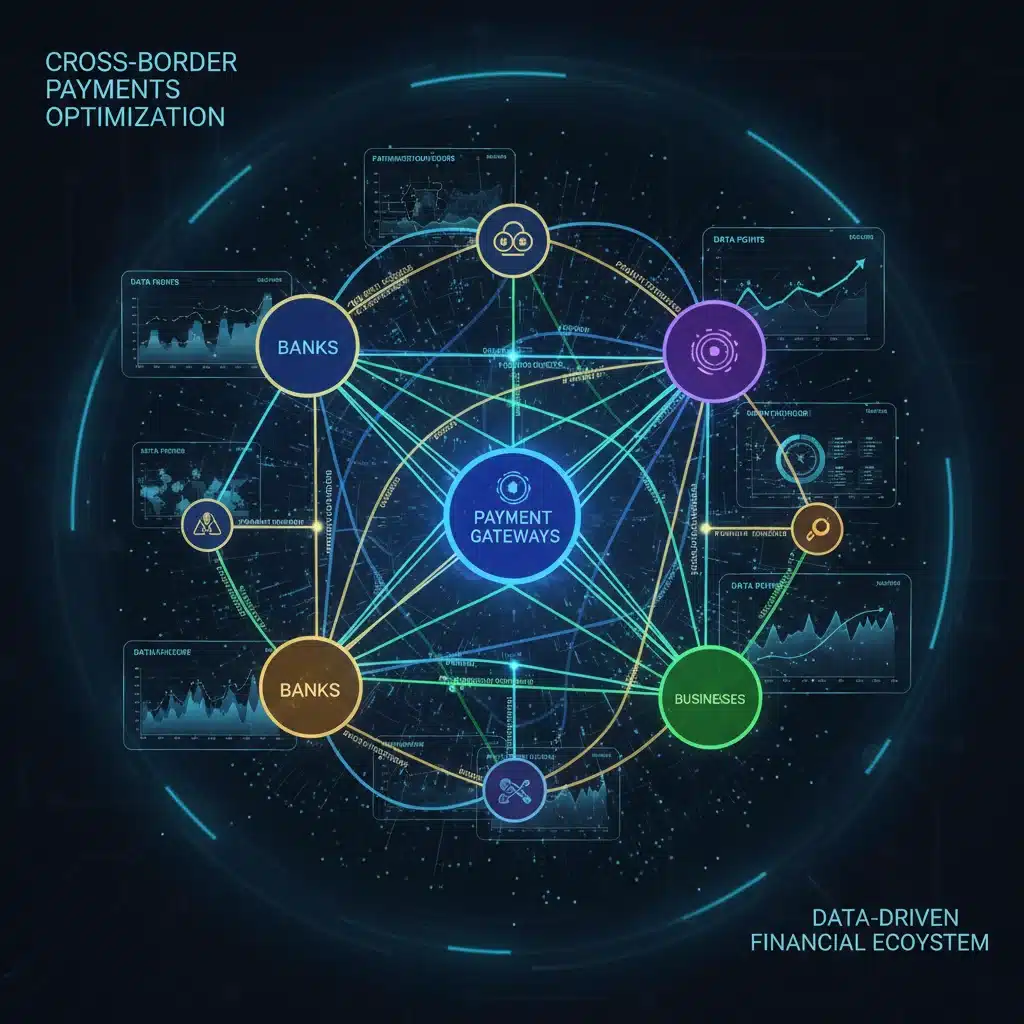
Utilize data analytics tools to gain deeper insights into your payment flows. Identify patterns, peak transaction times, and corridors where costs are disproportionately high. Data can inform decisions about when to convert currency, which providers to use for specific regions, and how to further optimize batching strategies. Many modern payment platforms offer robust analytics dashboards that can aid in this process.
Foster Internal and External Collaboration
Effective implementation of these strategies often requires collaboration across various internal departments, including finance, treasury, procurement, and IT. Ensure that all stakeholders understand the objectives and benefits of the changes. Externally, maintain open communication with your international partners and suppliers. Explain changes in payment methods or schedules and ensure they are comfortable with the new processes. Strong relationships can facilitate smoother transitions and greater cooperation.
Stay Compliant
Compliance is paramount in cross-border payments. As you explore new strategies and providers, ensure that all activities adhere to relevant regulations, including AML, KYC, and data privacy laws in both the US and the destination countries. Non-compliance can lead to severe penalties, negating any cost savings achieved. Partner with providers that have a strong track record in regulatory compliance and offer robust reporting capabilities.
By adopting a disciplined approach to implementation and continuous optimization, US businesses can not only achieve their goal of reducing cross-border digital payment transaction costs by 20% or more but also build a more resilient, efficient, and future-proof international payment infrastructure. These cross-border payment strategies are not merely about saving money; they are about empowering your business to thrive in the global economy.
Conclusion
The journey to significantly reduce US cross-border digital payment transaction costs is multifaceted, requiring a strategic blend of technological adoption, financial acumen, and proactive management. By diligently implementing the four key cross-border payment strategies discussed – leveraging specialized payment providers, optimizing foreign exchange management, consolidating and batching payments, and exploring blockchain and DLT – US businesses can unlock substantial savings, potentially cutting costs by 20% or even more. This isn’t just about reducing expenses; it’s about enhancing operational efficiency, improving cash flow, and gaining a competitive edge in the global marketplace.
The digital payment landscape will continue to evolve, presenting both new challenges and new opportunities. Businesses that remain agile, continuously monitor their payment performance, and are willing to adapt their strategies will be best positioned for long-term success. The initial investment in time and resources to overhaul existing payment processes will pay dividends through sustained cost reductions and a more robust international financial infrastructure. Embrace these strategies, and transform your cross-border payments from a cost center into a strategic advantage.