Blockchain Adoption US Fintech: 2026 Practical Roadmap

The financial technology (Fintech) landscape in the United States is in constant flux, driven by technological advancements, evolving consumer expectations, and a dynamic regulatory environment. Among the myriad innovations shaping this sector, blockchain technology stands out as a transformative force. Its inherent characteristics of decentralization, immutability, transparency, and enhanced security offer unparalleled opportunities to revolutionize traditional financial services. However, the path to widespread US Fintech Blockchain Adoption is not without its complexities. This article aims to provide a practical roadmap for US Fintech companies looking to integrate blockchain technology by 2026, offering actionable insights and strategic considerations.
The promise of blockchain extends across various facets of the financial industry, from streamlining payment systems and enhancing supply chain finance to enabling more efficient capital markets and bolstering cybersecurity. Yet, despite its potential, many US Fintech firms are still grappling with how to effectively harness this technology. The journey involves navigating technological hurdles, regulatory uncertainties, talent gaps, and the need for robust interoperability solutions. By setting a clear roadmap to 2026, companies can systematically address these challenges and unlock the full value proposition of distributed ledger technology (DLT).
Understanding the Current Landscape of US Fintech Blockchain Adoption
Before charting a course for the future, it’s imperative to understand the current state of US Fintech Blockchain Adoption. While some larger financial institutions and innovative startups have made significant strides, the broader adoption across the US Fintech sector remains fragmented. Early use cases have predominantly focused on cross-border payments, trade finance, and digital asset management. However, the true potential lies in its application across a wider spectrum of financial services.
Key Drivers for Blockchain Integration
- Efficiency Gains: Blockchain can significantly reduce processing times and operational costs by eliminating intermediaries and automating processes through smart contracts.
- Enhanced Security and Transparency: The cryptographic security and immutable ledger provide a higher level of trust and auditability, mitigating fraud and cyber risks.
- Improved Compliance: The transparent and auditable nature of blockchain transactions can simplify regulatory reporting and ensure adherence to compliance standards.
- New Business Models: Blockchain enables the creation of innovative financial products and services, such as tokenized assets, decentralized finance (DeFi), and fractional ownership.
- Interoperability: As the ecosystem matures, blockchain can facilitate seamless data exchange and transaction processing across disparate systems.
Challenges Hindering Widespread Adoption
- Regulatory Uncertainty: The evolving regulatory landscape surrounding digital assets and blockchain technology creates hesitation for many firms.
- Scalability Issues: Some blockchain networks face challenges with transaction throughput and latency, which are critical for high-volume financial operations.
- Interoperability Concerns: Integrating blockchain solutions with existing legacy systems and ensuring seamless communication between different blockchain networks remains a significant hurdle.
- Talent Gap: A shortage of skilled professionals with expertise in blockchain development, cryptography, and DLT architecture slows down implementation.
- High Implementation Costs: Initial investment in blockchain infrastructure, development, and integration can be substantial.
- Data Privacy: Balancing the transparency of blockchain with data privacy regulations (e.g., GDPR, CCPA) presents a complex challenge.
The 2026 Roadmap: Strategic Pillars for US Fintech Blockchain Adoption
To successfully navigate these challenges and capitalize on the opportunities, US Fintech companies need a structured and strategic roadmap. The following pillars outline a comprehensive approach for US Fintech Blockchain Adoption by 2026.
Pillar 1: Strategic Assessment and Use Case Identification (2024)
The initial phase involves a thorough internal and external assessment. Companies must identify specific pain points within their current operations that blockchain can effectively address. This isn’t about adopting blockchain for its own sake, but rather identifying where it can deliver tangible value.
Key Actions:
- Conduct a comprehensive audit: Analyze existing processes, identifying areas riddled with inefficiencies, high costs, or security vulnerabilities.
- Research industry trends: Stay abreast of successful blockchain implementations in similar financial sectors globally.
- Identify high-impact use cases: Focus on areas with clear benefits and manageable risks. Examples include:
- Cross-border payments: Reducing transaction fees and settlement times.
- Trade finance: Streamlining documentation and reducing fraud.
- Digital identity management: Enhancing KYC/AML processes.
- Supply chain finance: Improving transparency and traceability.
- Asset tokenization: Creating fractional ownership and increasing liquidity for illiquid assets.
- Develop a clear business case: Quantify the potential ROI, cost savings, and competitive advantages of each identified use case.
- Form a dedicated blockchain task force: Assemble a cross-functional team including business strategists, technologists, legal experts, and compliance officers.
Pillar 2: Pilot Programs and Proof of Concept (PoC) Development (2024-2025)
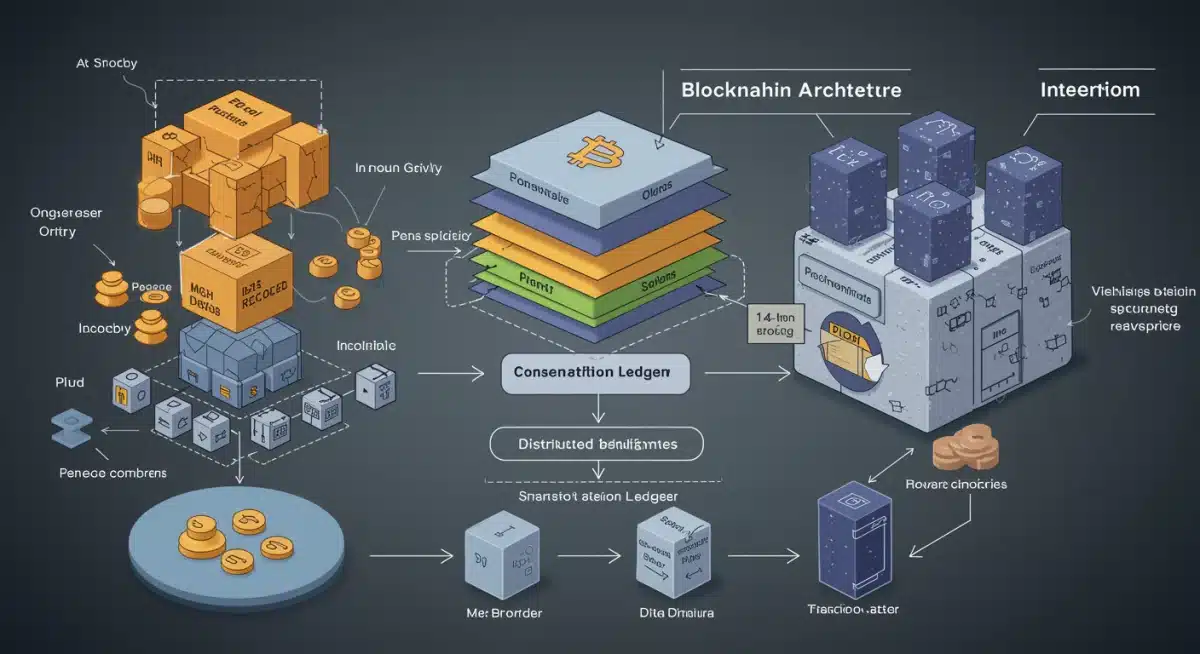
Once compelling use cases are identified, the next step is to move from theory to practice through pilot programs and Proof of Concept (PoC) development. This allows companies to test the viability of blockchain solutions in a controlled environment, gather real-world data, and refine their approach before a full-scale deployment.
Key Actions:
- Select the right blockchain platform: Evaluate various blockchain protocols (e.g., Ethereum, Hyperledger Fabric, Corda, Stellar, Algorand) based on scalability, security, cost, community support, and suitability for the chosen use case. Consider both public and private/permissioned blockchains.
- Develop a minimal viable product (MVP): Focus on core functionalities to quickly test hypotheses and gather feedback.
- Engage with technology partners: Collaborate with experienced blockchain developers, consultants, and platform providers to leverage their expertise and accelerate development.
- Conduct rigorous testing: Perform security audits, performance testing, and user acceptance testing (UAT) to identify and address potential issues.
- Measure success metrics: Define clear KPIs for the pilot program, such as transaction speed, cost reduction, security enhancements, and user satisfaction.
- Iterate and refine: Use insights from the PoC to refine the solution and adapt the strategy.
Pillar 3: Regulatory Compliance and Legal Framework (Ongoing 2024-2026)
The regulatory environment for blockchain and digital assets in the US is complex and dynamic. Proactive engagement with regulators and a robust legal framework are critical for sustainable US Fintech Blockchain Adoption.
Key Actions:
- Stay informed on regulatory developments: Continuously monitor updates from bodies like the SEC, CFTC, FinCEN, OCC, and state-level financial regulators.
- Seek legal counsel: Engage specialized legal experts to ensure all blockchain initiatives comply with existing and emerging regulations (e.g., securities laws, anti-money laundering (AML), know your customer (KYC) requirements, data privacy regulations).
- Engage with policymakers: Participate in industry forums, submit comments on proposed regulations, and advocate for clear and supportive regulatory frameworks.
- Implement robust compliance protocols: Integrate regulatory compliance directly into the design of blockchain solutions, including audit trails, data provenance, and identity verification mechanisms.
- Consider regulatory sandboxes: Explore opportunities to test innovative blockchain solutions in controlled regulatory environments.
Pillar 4: Talent Development and Ecosystem Building (Ongoing 2024-2026)
A significant barrier to US Fintech Blockchain Adoption is the shortage of skilled talent. Addressing this requires a multi-pronged approach encompassing internal training, external recruitment, and active participation in the broader blockchain ecosystem.
Key Actions:
- Invest in internal training: Develop comprehensive training programs for existing employees on blockchain fundamentals, smart contract development, cryptography, and DLT operations.
- Recruit specialized talent: Actively seek out blockchain architects, developers, security engineers, and legal/compliance experts with DLT experience.
- Foster a culture of innovation: Encourage experimentation, learning, and collaboration around blockchain technologies within the organization.
- Build strategic partnerships: Collaborate with universities, research institutions, and blockchain consortia to access talent and share knowledge.
- Participate in industry consortia: Join groups like the Hyperledger Foundation, Enterprise Ethereum Alliance, or specific Fintech-focused blockchain consortia to share best practices, influence standards, and collaborate on shared infrastructure.
Pillar 5: Scalability, Interoperability, and Security (2025-2026)
As pilot programs mature, the focus shifts to ensuring that blockchain solutions are scalable, interoperable with existing systems and other blockchain networks, and exceptionally secure for production environments.

Key Actions:
- Address scalability challenges: Implement Layer 2 solutions, sharding, or choose blockchain protocols inherently designed for high transaction volumes.
- Develop interoperability standards: Work towards integrating blockchain solutions with legacy systems using APIs, middleware, and other integration tools. Explore cross-chain communication protocols.
- Implement robust security measures: Conduct regular security audits, penetration testing, and vulnerability assessments. Employ multi-signature wallets, hardware security modules (HSMs), and advanced cryptographic techniques.
- Establish governance frameworks: Define clear governance models for managing blockchain networks, including dispute resolution mechanisms, upgrade procedures, and participant roles.
- Plan for data management: Develop strategies for managing on-chain and off-chain data, ensuring compliance with data privacy regulations while maintaining the integrity of the blockchain.
- Disaster recovery and business continuity: Implement robust plans to ensure the resilience and continuous operation of blockchain-based services.
Pillar 6: Phased Rollout and Continuous Optimization (2026 and Beyond)
By 2026, successful PoCs and pilot programs should pave the way for phased rollouts of blockchain-powered solutions. This requires careful planning, change management, and a commitment to continuous optimization.
Key Actions:
- Develop a phased deployment strategy: Roll out blockchain solutions incrementally, starting with less critical functions or a limited user base, gradually expanding based on success and feedback.
- Manage change effectively: Communicate the benefits of blockchain adoption to all stakeholders, provide adequate training, and address concerns to ensure smooth internal and external adoption.
- Monitor performance continuously: Implement robust monitoring tools to track key performance indicators (KPIs), identify bottlenecks, and ensure optimal operation.
- Gather user feedback: Continuously collect feedback from users to identify areas for improvement and enhance the user experience.
- Stay agile and adapt: The blockchain space is rapidly evolving. Companies must remain agile, continuously evaluate new technologies, and adapt their strategies to stay competitive.
- Explore new opportunities: As the core blockchain solutions are integrated, look for opportunities to expand into new use cases or leverage emerging DLT innovations.
Specific Applications for US Fintech Blockchain Adoption
To further illustrate the practical implementation of this roadmap, let’s delve into specific areas where US Fintech Blockchain Adoption can have a profound impact:
1. Enhanced Payments and Remittances
Blockchain can transform cross-border payments by enabling near-instantaneous settlement, reducing intermediaries, and lowering transaction costs. Stablecoins, backed by fiat currencies, can play a crucial role here, offering the stability of traditional money with the efficiency of blockchain.
- Example: A US Fintech company could partner with a blockchain network like Ripple or Stellar to offer significantly faster and cheaper international money transfers, attracting customers disillusioned with traditional banking fees and delays.
- 2026 Goal: Achieve a 50% reduction in cross-border transaction fees and settlement times compared to traditional methods for a significant portion of international payment flows.
2. Digital Asset Management and Tokenization
The tokenization of real-world assets (RWAs) on blockchain opens up new avenues for investment, liquidity, and fractional ownership. This includes everything from real estate and art to private equity and debt instruments.
- Example: A wealth management Fintech could tokenize a portion of a commercial real estate portfolio, allowing smaller investors to gain exposure to previously inaccessible assets, increasing market liquidity and democratization of investment.
- 2026 Goal: Launch a regulated platform for tokenized securities, enabling fractional ownership and secondary market trading for at least two distinct asset classes.
3. Identity Verification (KYC/AML)
Decentralized identity solutions built on blockchain can revolutionize how financial institutions conduct Know Your Customer (KYC) and Anti-Money Laundering (AML) checks. Users can control their own verifiable credentials, providing them to institutions as needed, reducing duplication and enhancing privacy.
- Example: A Fintech lender could implement a self-sovereign identity solution, allowing users to securely share verified identity attributes without repeatedly submitting documents, streamlining the onboarding process and reducing compliance costs.
- 2026 Goal: Reduce average customer onboarding time by 40% through blockchain-powered digital identity verification, while simultaneously enhancing compliance auditability.
4. Trade Finance and Supply Chain
Blockchain’s ability to create an immutable and transparent record of transactions and goods movement is ideal for trade finance. It can reduce fraud, streamline documentation, and unlock liquidity for businesses involved in global trade.
- Example: A Fintech specializing in invoice financing could use blockchain to verify the authenticity of invoices and goods, reducing the risk of double-financing and accelerating payment to suppliers.
- 2026 Goal: Implement a blockchain-based trade finance platform that reduces processing time for letters of credit and guarantees by 30% and significantly lowers fraud rates.
5. Decentralized Finance (DeFi) Integration
While DeFi is largely permissionless, traditional Fintechs can explore integrating aspects of DeFi to offer new services. This could involve leveraging DeFi protocols for lending, borrowing, or yield generation in a regulated manner.
- Example: A Fintech savings app could offer users access to interest-bearing accounts powered by underlying DeFi protocols, while providing traditional consumer protections and regulatory oversight.
- 2026 Goal: Pilot a regulated DeFi product offering, providing customers with secure and transparent access to decentralized financial services, adhering to all US financial regulations.
Risks and Mitigation Strategies
While the opportunities are vast, it’s crucial to acknowledge and mitigate the inherent risks associated with US Fintech Blockchain Adoption.
- Technological Risk: Vulnerabilities in smart contracts, scalability limitations, or network attacks.
- Mitigation: Rigorous testing, security audits, formal verification of smart contracts, selection of robust and proven blockchain platforms, and continuous monitoring.
- Regulatory Risk: Unfavorable regulatory changes or enforcement actions.
- Mitigation: Proactive engagement with regulators, robust legal counsel, building solutions with regulatory compliance in mind from day one, and diversifying geographic operations if feasible.
- Operational Risk: Integration complexities, lack of internal expertise, or operational failures.
- Mitigation: Phased implementation, strong project management, investment in talent development, robust change management strategies, and clear governance frameworks.
- Market Risk: Volatility of digital assets, lack of market acceptance.
- Mitigation: Focus on use cases with clear value propositions, careful market analysis, and education of customers and stakeholders.
Conclusion: The Future is Distributed
The journey towards widespread US Fintech Blockchain Adoption by 2026 is an ambitious yet achievable goal. It demands a strategic vision, a commitment to innovation, and a pragmatic approach to overcoming challenges. By focusing on clear use cases, developing robust pilot programs, navigating the regulatory landscape, investing in talent, and prioritizing scalability and security, US Fintech companies can position themselves at the forefront of this technological revolution.
Blockchain is not merely a technological upgrade; it represents a fundamental shift in how value is exchanged, trust is established, and financial services are delivered. For US Fintechs, embracing this distributed future is not just about staying competitive; it’s about redefining the very essence of finance for the 21st century. The roadmap to 2026 is a call to action, urging companies to move beyond experimentation and towards practical, impactful implementation that will shape the financial landscape for decades to come.
The benefits of successful integration — including enhanced efficiency, reduced costs, improved security, and the creation of novel financial products — far outweigh the complexities. As the digital economy continues to mature, firms that strategically invest in and adopt blockchain technology will undoubtedly emerge as leaders, driving innovation and delivering superior value to their customers and stakeholders.