Overcoming US Fintech Regulatory Hurdles in 2026
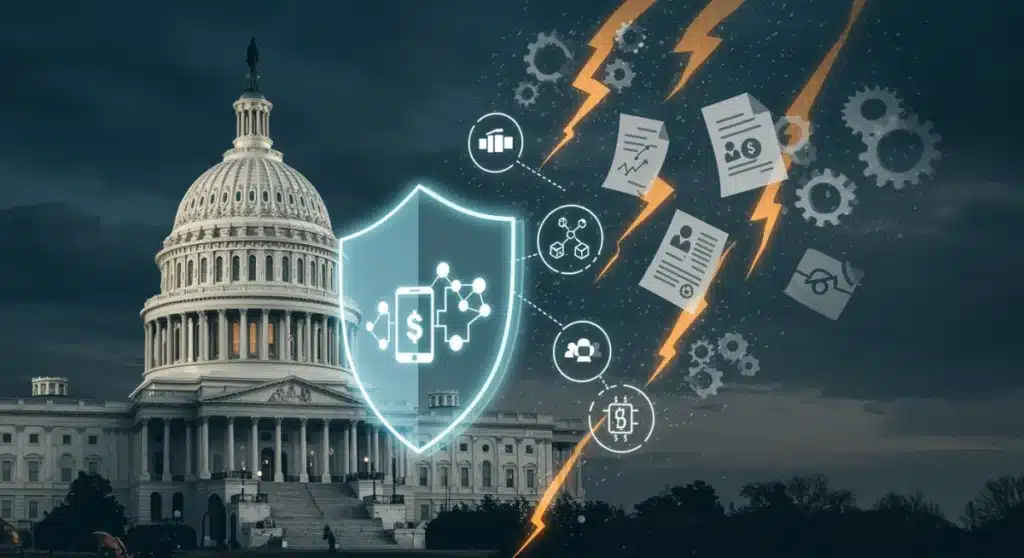
Fintech startups in the US face significant regulatory obstacles in 2026, including complex compliance with evolving financial laws, stringent data privacy requirements, and fragmented state-by-state licensing, all demanding proactive and strategic navigation.
As the fintech landscape continues its rapid evolution, **the top 3 regulatory hurdles for US fintech startups in 2026 and how to overcome them (practical solutions)** become critical knowledge for any aspiring innovator. Navigating this intricate web of rules is not just about compliance, but about strategic growth and market leadership.
The Shifting Sands of Compliance: Navigating Evolving Financial Regulations
The regulatory environment for fintech in the United States is in a constant state of flux, making compliance a moving target. Startups must contend with an intricate patchwork of federal and state laws, which are continually updated to address new technologies and business models. This dynamic landscape demands a proactive and adaptable approach to regulatory strategy.
Understanding the Regulatory Maze
Fintech companies operate at the intersection of technology and finance, placing them under the purview of multiple regulatory bodies. This often leads to overlapping jurisdictions and sometimes conflicting requirements, creating a complex compliance burden. Staying abreast of these changes is paramount.
- Federal Oversight: Agencies like the Consumer Financial Protection Bureau (CFPB), the Office of the Comptroller of the Currency (OCC), and the Securities and Exchange Commission (SEC) each have a stake in different aspects of fintech operations.
- State-Specific Laws: Beyond federal regulations, each state may impose its own licensing requirements, consumer protection laws, and data security standards, further complicating nationwide expansion.
- Emerging Frameworks: New regulations often arise in response to technological advancements, such as those concerning artificial intelligence in finance, decentralized finance (DeFi), and novel payment systems.
Practical Solutions for Proactive Compliance
To overcome the challenge of evolving regulations, fintech startups need to embed compliance into their core operational DNA. This involves more than just reacting to new rules; it requires anticipating them and building flexible systems.
One effective strategy is to invest in robust regulatory technology (RegTech) solutions. These platforms can automate compliance processes, monitor regulatory changes in real-time, and provide alerts for potential issues. By leveraging AI and machine learning, RegTech can significantly reduce the manual effort and human error associated with compliance management.
Another crucial step is to foster a culture of compliance within the organization. This means regular training for all employees on relevant regulations and the importance of adhering to them. Establishing clear internal policies and procedures ensures that compliance is not an afterthought but an integral part of every business decision.
Furthermore, engaging with regulatory bodies through industry associations and pilot programs can provide valuable insights into upcoming changes and allow startups to contribute to the development of new frameworks. This collaborative approach can help shape regulations in a way that is more favorable to innovation while still ensuring consumer protection.
In conclusion, the shifting sands of compliance demand vigilance and strategic investment. By embracing RegTech, cultivating a strong compliance culture, and actively engaging with regulators, fintech startups can transform a significant hurdle into a competitive advantage, ensuring their continued operation and growth in 2026 and beyond.
The Data Privacy Tightrope: Balancing Innovation with Stringent Regulations
Data is the lifeblood of fintech, but its collection, processing, and storage are increasingly scrutinized under stringent privacy regulations. Navigating this data privacy tightrope requires fintech startups to balance innovative data utilization with strict adherence to consumer rights and security mandates, a challenge that intensifies with each passing year.
The Expanding Scope of Privacy Laws
The regulatory landscape for data privacy is becoming more complex, with federal and state-level laws imposing significant obligations on fintech companies. These regulations aim to give consumers greater control over their personal financial information and ensure its security against breaches and misuse.
- CCPA and CPRA: The California Consumer Privacy Act (CCPA) and its successor, the California Privacy Rights Act (CPRA), set a high bar for consumer data rights, including the right to know, delete, and opt-out of the sale of personal information. These laws often serve as models for other states.
- Sector-Specific Rules: Financial institutions, including many fintechs, are also subject to laws like the Gramm-Leach-Bliley Act (GLBA), which mandates specific privacy notices and data security safeguards for nonpublic personal information.
- Biometric Data Regulations: With the rise of biometric authentication in fintech, laws specifically addressing the collection and use of biometric data, such as Illinois’ Biometric Information Privacy Act (BIPA), are becoming more prevalent and pose unique compliance challenges.
Strategies for Robust Data Governance
To successfully navigate the data privacy tightrope, fintech startups must implement comprehensive data governance frameworks. This involves not only technical safeguards but also clear policies and procedures for handling data throughout its lifecycle.
Implementing a ‘privacy-by-design’ approach is fundamental. This means integrating privacy considerations into every stage of product development and service delivery, rather than attempting to bolt them on retrospectively. This proactive stance ensures that data protection is baked into the very architecture of the fintech solution.
Regular data audits and impact assessments are also crucial. These processes help identify potential privacy risks, assess the effectiveness of existing controls, and ensure ongoing compliance with evolving regulations. Understanding where sensitive data resides and who has access to it is the first step toward securing it effectively.

Furthermore, transparent communication with users about data collection and usage practices builds trust and helps meet regulatory requirements. Clear, concise privacy policies and easily accessible consent mechanisms empower users to make informed decisions about their data.
In essence, mastering data privacy in 2026 is about adopting a holistic approach that combines technological innovation with ethical data stewardship. By prioritizing privacy-by-design, conducting diligent audits, and fostering user transparency, fintech startups can turn stringent regulations into an opportunity to build stronger, more trustworthy relationships with their customers, solidifying their market position.
Cross-State Licensing Labyrinth: Simplifying Multi-Jurisdictional Operations
For US fintech startups aiming for national reach, the cross-state licensing labyrinth presents one of the most formidable regulatory hurdles. The fragmented nature of state-specific financial services licenses means that expanding operations beyond a single state often involves navigating a complex, time-consuming, and expensive process, hindering scalability and market entry.
The Burden of State-by-State Approvals
Unlike many other industries, financial services often require separate licenses for each state in which a company operates. This applies to various fintech activities, including lending, money transmission, and even certain types of payment processing. Each state has its own application procedures, fee structures, and ongoing compliance requirements.
- Money Transmitter Licenses (MTLs): For fintechs involved in transferring funds, obtaining MTLs in multiple states is a significant undertaking. The requirements vary widely, impacting capital reserves, bonding, and reporting obligations.
- Lending Licenses: Online lenders must comply with state usury laws, licensing requirements, and consumer protection statutes, which can differ dramatically from one jurisdiction to another, creating an operational nightmare.
- Operational Complexity: Managing licenses across 50 states means tracking different renewal dates, submitting varied reports, and ensuring local compliance, which drains resources and diverts focus from core business activities.
Streamlining the Licensing Process
Overcoming the cross-state licensing labyrinth requires strategic planning and leveraging available tools and partnerships. While a single federal license for fintech remains a distant dream, there are practical approaches to simplify multi-jurisdictional operations.
One key strategy is to prioritize market entry by focusing on states with the most favorable regulatory environments or those that represent critical initial markets. This allows startups to gain traction and refine their compliance processes before tackling more complex jurisdictions.
Utilizing the Nationwide Multistate Licensing System (NMLS) is another vital step. While not a universal solution, NMLS streamlines the application and renewal process for certain types of licenses, such as money transmission, by providing a standardized platform for submitting information to multiple state regulators. This reduces duplication of effort and can accelerate approvals.
Furthermore, partnering with established financial institutions or banks can offer a pathway to operate under their existing licenses, often referred to as a ‘bank partnership model.’ This allows fintechs to offer services without directly obtaining all state licenses, though it requires careful structuring and compliance with the partner’s regulatory obligations. Such partnerships can provide a temporary or long-term solution for market access.
Engaging with specialized legal counsel and compliance consultants who possess deep expertise in state-specific fintech regulations is also indispensable. These experts can guide startups through the complexities, identify potential pitfalls, and ensure applications are robust and complete, minimizing delays and costly errors.
In summary, while the cross-state licensing labyrinth is a persistent challenge, fintech startups can navigate it through strategic market prioritization, effective use of platforms like NMLS, exploring bank partnership models, and engaging expert legal and compliance support. These strategies are essential for achieving broad market access and sustained growth in the competitive US fintech landscape of 2026.
Cybersecurity and Consumer Trust: A Non-Negotiable Foundation
Beyond the top three hurdles, robust cybersecurity is not merely a technical requirement but a fundamental pillar for building and maintaining consumer trust in the fintech sector. In 2026, with increasing sophistication of cyber threats, robust security measures are indispensable for protecting sensitive financial data and ensuring operational integrity.
The Escalating Threat Landscape
Fintech companies are prime targets for cybercriminals due to the valuable financial data they handle. Data breaches can lead to severe financial losses, reputational damage, and erosion of customer confidence. The evolving nature of cyber threats demands continuous adaptation and investment in security infrastructure.
- Advanced Persistent Threats (APTs): Sophisticated attackers use stealthy techniques to gain long-term access to networks, making detection and mitigation challenging.
- Ransomware as a Service (RaaS): The proliferation of RaaS models lowers the barrier to entry for cybercriminals, leading to an increase in ransomware attacks targeting financial institutions.
- Supply Chain Attacks: Compromising a third-party vendor or software supplier can provide attackers with access to multiple fintech systems, highlighting the need for rigorous vendor risk management.
Building an Impenetrable Digital Fortress
To counteract these escalating threats, fintech startups must adopt a multi-layered cybersecurity strategy, integrating advanced technologies with best practices in risk management and employee training.
Implementing strong encryption protocols for data at rest and in transit is a baseline requirement. This ensures that even if data is intercepted, it remains unreadable to unauthorized parties. Regular security audits and penetration testing by independent third parties are also crucial for identifying vulnerabilities before they can be exploited by malicious actors.
Furthermore, adopting a Zero Trust security model, where no user or device is inherently trusted, regardless of their location, significantly enhances security posture. This approach requires continuous verification of identity and authorization for every access request, minimizing the impact of compromised credentials.
Investing in employee cybersecurity training is equally important. Human error often remains the weakest link in the security chain. Regular training sessions on phishing awareness, secure coding practices, and incident response procedures empower employees to be the first line of defense against cyber threats.
Finally, developing a comprehensive incident response plan is critical. In the event of a breach, a well-defined plan ensures a rapid, coordinated, and effective response, minimizing damage and facilitating recovery. This includes clear communication protocols with affected customers and regulatory bodies.
In conclusion, cybersecurity is not an optional extra but a core component of any successful fintech venture in 2026. By proactively adopting advanced security measures, embracing a Zero Trust philosophy, and fostering a security-conscious culture, fintech startups can build an impenetrable digital fortress that protects both their assets and their most valuable asset: consumer trust.
The Competitive Landscape and Regulatory Advantage
In the fiercely competitive US fintech market of 2026, navigating regulatory hurdles effectively isn’t just about survival; it’s a strategic advantage. Startups that master compliance can differentiate themselves, attract more discerning customers, and gain a favorable position over less prepared competitors. Compliance, when approached strategically, becomes a driver of innovation and market leadership.
Turning Compliance into a Competitive Edge
While often viewed as a burden, a strong commitment to regulatory compliance can be a powerful differentiator. Consumers and institutional partners alike are increasingly wary of financial services providers that cut corners on security and privacy. A robust compliance framework signals trustworthiness and reliability.
- Enhanced Reputation: Adherence to strict regulatory standards builds a strong reputation for integrity and reliability, attracting customers who prioritize security and data protection.
- Investor Confidence: Investors are more likely to back fintech startups with a clear and proactive regulatory strategy, viewing it as a sign of reduced risk and sustainable growth potential.
- Partnership Opportunities: Banks and other established financial institutions are more inclined to partner with fintechs that demonstrate impeccable compliance, opening doors to new markets and distribution channels.
Strategic Compliance for Growth
To leverage compliance as a competitive advantage, fintech startups should integrate regulatory considerations into their business development and product design from the outset. This ‘compliance-by-design’ philosophy ensures that new offerings are not only innovative but also legally sound and market-ready.
Engaging early with regulators through sandboxes and innovation hubs can provide invaluable feedback and help shape products in a compliant manner. These programs offer a controlled environment to test new technologies under regulatory supervision, reducing uncertainty and accelerating time to market.
Furthermore, effective compliance management can lead to operational efficiencies. Streamlined processes, automated reporting, and clear internal controls can reduce administrative overhead and free up resources that can be reinvested in product development and customer acquisition. This transforms compliance from a cost center into an enabler of growth.
Investing in skilled compliance professionals, whether in-house or through external partnerships, is also critical. These experts can not only ensure adherence to current regulations but also anticipate future trends, advising the company on how to adapt proactively. Their expertise is a strategic asset that supports sustained innovation.
In essence, in the dynamic 2026 fintech landscape, regulatory compliance is far more than a checklist item. By embracing it as a strategic imperative, fintech startups can not only overcome existing hurdles but also cultivate a distinct competitive advantage, fostering innovation, building trust, and securing a leading position in the market.
Future-Proofing Your Fintech: Anticipating 2027 and Beyond
As US fintech startups navigate the regulatory landscape of 2026, a forward-looking perspective is crucial for sustained success. Future-proofing your fintech means not just reacting to current regulations but anticipating emerging trends and potential legislative changes that will shape the industry in 2027 and beyond. This proactive approach ensures resilience and adaptability in a rapidly evolving sector.
The Horizon of Regulatory Change
Several key areas are likely to see increased regulatory scrutiny and new legislative developments in the coming years. Staying informed about these potential shifts allows fintechs to prepare their strategies and infrastructure accordingly.
- AI and Machine Learning Governance: As AI becomes more integral to financial decision-making, regulations addressing algorithmic bias, transparency, and accountability are expected to mature.
- Decentralized Finance (DeFi) Oversight: The regulatory framework for DeFi platforms, including stablecoins and decentralized exchanges, is still nascent but will likely evolve to address consumer protection, market integrity, and anti-money laundering (AML) concerns.
- Environmental, Social, and Governance (ESG) Reporting: There’s a growing push for financial institutions to disclose their ESG impact. Fintechs, particularly those involved in sustainable finance, may face new reporting requirements.
Building an Adaptive Regulatory Strategy
To future-proof their operations, fintech startups should cultivate an adaptive regulatory strategy that prioritizes flexibility, continuous learning, and strategic engagement.
One critical step is to establish strong internal research and development capabilities focused on regulatory intelligence. This involves dedicated teams or individuals responsible for monitoring legislative proposals, white papers from regulatory bodies, and emerging industry standards. Early identification of potential changes allows for ample time to adapt.
Adopting modular and scalable technology architectures is also essential. This design philosophy enables fintechs to quickly modify their systems and processes to comply with new regulations without extensive overhauls. Agility in technology is directly linked to agility in compliance.
Furthermore, active participation in industry forums, working groups, and regulatory sandboxes can provide a direct line to policymakers and influence the direction of future regulations. Being at the table allows startups to advocate for sensible frameworks that support innovation while addressing legitimate concerns.
Developing strong relationships with legal and compliance experts who specialize in emerging technologies and financial regulations is another cornerstone of future-proofing. These advisors can offer strategic guidance on complex issues and help translate potential regulatory shifts into actionable business strategies.
In conclusion, future-proofing a fintech startup involves more than just meeting today’s compliance demands; it requires a visionary approach that anticipates tomorrow’s regulatory landscape. By investing in regulatory intelligence, building adaptable technology, fostering strategic engagement, and leveraging expert advice, fintechs can ensure their long-term viability and continue to innovate responsibly in 2027 and beyond.
Cultivating a Regulatory-Savvy Culture for Enduring Success
Beyond specific hurdles and technical solutions, the enduring success of any US fintech startup in 2026 hinges on cultivating a deeply embedded regulatory-savvy culture. This means instilling an organizational mindset where compliance is not seen as a burden, but as an intrinsic component of ethical conduct, risk management, and ultimately, sustainable growth. A strong compliance culture ensures that every decision, from product design to market expansion, is made with regulatory considerations at its forefront.
The Pillars of a Compliance-First Mindset
A regulatory-savvy culture is built upon several foundational elements that permeate all levels of a fintech organization. It requires consistent effort and reinforcement from leadership down to every employee.
- Leadership Commitment: Senior management must visibly champion compliance, allocating necessary resources and setting the tone that regulatory adherence is non-negotiable.
- Continuous Education: Regular and tailored training programs ensure that all employees, regardless of their role, understand relevant regulations and their personal responsibilities in upholding them.
- Open Communication Channels: Employees should feel empowered to raise compliance concerns without fear of reprisal, fostering an environment where issues are identified and addressed proactively.
Embedding Compliance into Operational DNA
Translating a regulatory-savvy culture into tangible operational practices involves integrating compliance checks and considerations into daily workflows and strategic planning. This moves compliance from a reactive function to a proactive enabler of business goals.
One effective method is to establish cross-functional teams that include compliance specialists in early-stage product development. This ‘compliance-by-design’ approach ensures that new features and services are engineered with regulatory requirements in mind, avoiding costly retrofits later on. It also fosters a shared understanding between technical and legal teams.
Implementing robust internal controls and audit mechanisms provides continuous oversight. Regular internal reviews, risk assessments, and independent audits help identify potential gaps in compliance and ensure that policies and procedures are being followed effectively. This level of scrutiny reinforces accountability across the organization.
Furthermore, fostering a culture of transparency, both internally and externally, enhances trust. Internally, clear documentation of compliance processes and decisions ensures consistency. Externally, transparent communication with customers about data handling and service terms builds confidence and aligns with regulatory expectations for consumer protection.
Finally, embracing RegTech solutions not only automates compliance tasks but also reinforces the culture by providing real-time data and insights into regulatory performance. These tools can help identify trends, predict potential issues, and demonstrate a commitment to best practices, further embedding compliance into the operational fabric.
In conclusion, cultivating a regulatory-savvy culture is perhaps the most powerful long-term strategy for US fintech startups. By making compliance an integral part of their identity, these companies can not only overcome the immediate hurdles of 2026 but also build a resilient, trustworthy, and ultimately more successful enterprise for years to come, differentiating themselves in a crowded and complex market.
| Key Regulatory Hurdle | Practical Solution |
|---|---|
| Evolving Financial Regulations | Implement RegTech solutions and foster a proactive compliance culture. |
| Stringent Data Privacy Laws | Adopt privacy-by-design principles and conduct regular data audits. |
| Cross-State Licensing Labyrinth | Utilize NMLS, explore bank partnerships, and seek expert legal counsel. |
| Cybersecurity Threats | Implement Zero Trust security and robust incident response plans. |
Frequently Asked Questions About Fintech Regulatory Hurdles
Key federal bodies include the CFPB, OCC, and SEC, depending on the specific fintech activities. Additionally, state-level financial regulators, such as state banking departments, play a crucial role, especially for licensing and consumer protection within their jurisdictions. This multi-layered oversight necessitates comprehensive compliance strategies.
RegTech solutions leverage AI and automation to streamline compliance processes, monitor regulatory changes in real-time, and generate automated alerts. This helps fintechs manage complex reporting requirements, reduce manual errors, and adapt quickly to evolving regulations, ultimately making compliance more efficient and cost-effective.
‘Privacy-by-design’ is an approach where privacy considerations are integrated into every stage of product development and service delivery from the outset. It’s crucial for fintechs to embed data protection into their architecture, ensuring compliance with strict data privacy laws like CCPA and GLBA, building user trust, and minimizing future compliance costs.
Currently, there isn’t a single federal license that covers all fintech operations across all states. While the NMLS streamlines some state-specific licenses like Money Transmitter Licenses, fintechs often still need to obtain individual state licenses or explore alternative strategies like bank partnerships to achieve nationwide reach.
Fintechs should adopt an adaptive regulatory strategy by monitoring legislative proposals, engaging in industry forums, and building modular technology architectures. Investing in regulatory intelligence and fostering relationships with legal experts specializing in emerging tech allows startups to anticipate and adapt to new governance frameworks for AI, DeFi, and ESG reporting.
Conclusion
The journey for US fintech startups in 2026 is undoubtedly challenging, marked by significant regulatory hurdles in compliance, data privacy, and cross-state licensing. However, these obstacles are not insurmountable. By embracing proactive strategies such as leveraging RegTech, adopting privacy-by-design principles, strategically navigating licensing complexities, and prioritizing robust cybersecurity, fintechs can transform these challenges into opportunities. Cultivating a regulatory-savvy culture and anticipating future legislative trends will not only ensure survival but also position startups for sustainable growth and competitive advantage in the dynamic financial landscape.