Boosting Consumer Trust in US Fintech: Strategies for Loyalty & Churn Reduction

In the rapidly evolving landscape of digital finance, establishing and maintaining fintech consumer trust is not merely a desirable outcome; it is the bedrock upon which sustainable growth and market leadership are built. The US fintech sector, while booming with innovation and convenience, faces a unique challenge: convincing a diverse consumer base to entrust their financial well-being to entirely digital platforms. This article delves into critical strategies that US fintech companies can implement to foster profound trust, cultivate unwavering loyalty, and ultimately achieve a significant 10% reduction in customer churn by 2026, translating directly into tangible financial impact.
The digital transformation of financial services has opened doors to unprecedented accessibility and efficiency. However, it has also introduced new anxieties for consumers, primarily concerning data security, privacy, and the reliability of algorithms over human interaction. Understanding these underlying concerns is the first step toward crafting a robust strategy to enhance fintech consumer trust. Without trust, even the most innovative products and services will struggle to gain widespread adoption and retain users in the long run.
The Current State of Fintech Consumer Trust in the US
Despite the undeniable advantages fintech offers, a persistent trust deficit remains a significant hurdle. Traditional financial institutions, with their long-standing physical presence and regulatory history, often benefit from an inherent level of trust that newer fintech players must actively earn. Surveys consistently show that while consumers appreciate the convenience and lower fees offered by fintech, concerns about data breaches, opaque terms and conditions, and the impersonal nature of digital interactions often temper their enthusiasm.
The US market, characterized by its diverse demographics and varying levels of digital literacy, presents a complex challenge. Younger, digitally native generations might be more inclined to adopt fintech solutions, but even they demand robust security and transparent practices. Older generations, often more risk-averse, require even greater assurances and clear communication to overcome their skepticism. Bridging this trust gap is crucial for fintech companies aiming for long-term success and market penetration.
Key Trust Deficit Areas:
- Data Security and Privacy: High-profile data breaches across various industries have made consumers acutely aware of the risks associated with sharing personal and financial information online. Fintechs handle highly sensitive data, making robust security measures and clear privacy policies non-negotiable.
- Transparency in Fees and Terms: Hidden fees, complex jargon, and unclear terms and conditions erode trust. Consumers expect clarity and honesty, especially when their money is involved.
- Reliability and Customer Support: In a world of instant gratification, technical glitches or unresponsive customer service can quickly lead to frustration and a loss of confidence. Users need to feel supported and that their issues will be resolved promptly.
- Algorithmic Bias and Fairness: As AI and machine learning become more prevalent in fintech, concerns about algorithmic bias in lending decisions, credit scoring, and personalized recommendations can undermine trust if not addressed proactively.
Strategic Pillars for Building Fintech Consumer Trust
To effectively build fintech consumer trust and achieve the ambitious goal of reducing churn by 10% by 2026, companies must focus on several interconnected strategic pillars. These pillars address the core concerns of consumers and lay the groundwork for a relationship built on reliability, integrity, and mutual respect.
1. Unwavering Commitment to Security and Data Privacy
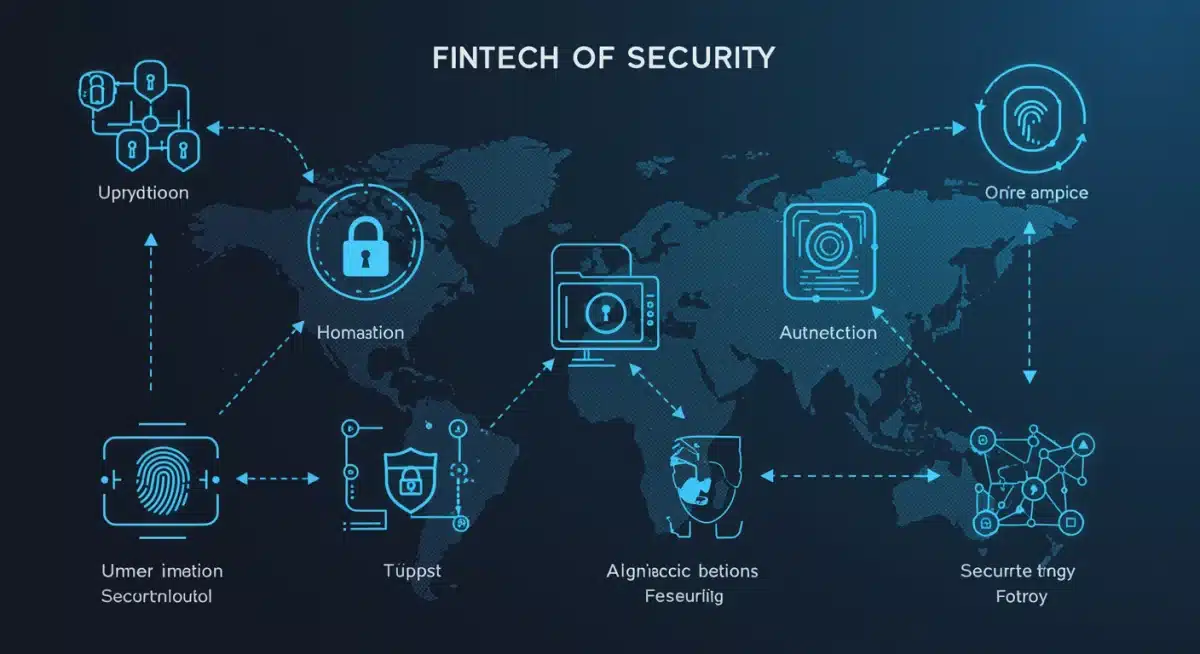
Security is non-negotiable. It is the absolute foundation of trust in any financial service, especially in the digital realm. Fintech companies must invest heavily in state-of-the-art cybersecurity infrastructure, not just as a defensive measure but as a core value proposition.
- Multi-Factor Authentication (MFA): Implementing robust MFA protocols, including biometrics (fingerprint, facial recognition), hardware tokens, or one-time passcodes, adds significant layers of security.
- End-to-End Encryption: Ensuring all data, both in transit and at rest, is encrypted to the highest industry standards protects sensitive information from interception and unauthorized access.
- Regular Security Audits and Penetration Testing: Proactive identification and remediation of vulnerabilities through continuous security assessments are critical.
- Transparent Data Handling Policies: Clearly communicate how user data is collected, stored, used, and shared. Provide users with control over their data and easy access to privacy settings. Compliance with regulations like CCPA and upcoming federal privacy laws is essential.
- Fraud Detection and Prevention: Employing advanced AI/ML-driven fraud detection systems to identify and prevent suspicious activities in real-time protects both the company and the consumer.
2. Radical Transparency and Clear Communication
Opacity breeds suspicion. Fintechs can differentiate themselves by adopting radical transparency in all aspects of their operations, especially regarding fees, terms, and the functionality of their products.
- Simple, Understandable Language: Avoid jargon and legalese. Present information about products, services, fees, and terms in plain, accessible language that anyone can understand.
- Upfront Fee Disclosure: Clearly display all potential fees and charges before a transaction is initiated. No hidden costs or surprises.
- Clear Terms and Conditions: Summarize key terms and conditions in an easy-to-digest format, with links to the full legal documents for those who wish to delve deeper.
- Educational Content: Proactively educate users about how their products work, the security measures in place, and how to protect themselves from fraud. Blog posts, FAQs, and in-app tutorials can be invaluable.
- Open Communication During Incidents: In the event of a service disruption or security incident, communicate transparently and promptly with users, outlining the issue, steps being taken, and anticipated resolution times.
3. Exceptional Customer Experience and Support
Even with the most intuitive digital platforms, human connection and reliable support remain vital for building fintech consumer trust. A seamless and supportive customer journey can turn a skeptical user into a loyal advocate.
- Omnichannel Support: Offer multiple channels for support, including live chat, email, phone, and even social media, catering to diverse user preferences. Ensure consistent quality across all channels.
- Fast and Effective Resolution: Train customer service representatives to be knowledgeable, empathetic, and empowered to resolve issues quickly and efficiently.
- Proactive Communication: Use AI-driven insights to anticipate user needs and proactively offer assistance or information, rather than waiting for problems to arise.
- Personalized Interactions: Leverage data to personalize support interactions, making users feel valued and understood rather than just another ticket number.
- User Feedback Integration: Actively solicit and integrate user feedback into product development and service improvement cycles. Show users that their opinions matter.
4. Ethical AI and Algorithmic Fairness
As AI becomes more integrated into fintech, the ethical implications of its use directly impact trust. Consumers are increasingly wary of algorithms making biased decisions that could negatively affect their financial lives.
- Bias Detection and Mitigation: Implement rigorous testing and auditing processes to identify and mitigate algorithmic biases in credit scoring, loan approvals, and personalized recommendations.
- Explainable AI (XAI): Strive for explainable AI models where possible, allowing users to understand how certain decisions (e.g., loan denials) were reached, fostering transparency and fairness.
- Human Oversight: Ensure human oversight in critical AI-driven processes, providing an avenue for appeal and review, especially in high-stakes financial decisions.
- Privacy-Preserving AI: Develop and deploy AI models that prioritize user privacy, minimizing the use of sensitive personal data where possible and employing techniques like federated learning.
5. Personalization and Value-Added Services
Beyond transactional efficiency, fintechs can build trust by offering genuinely personalized experiences and services that add tangible value to users’ financial lives. This moves beyond mere convenience to becoming a trusted financial partner.
- Tailored Financial Insights: Provide users with personalized insights into their spending habits, savings potential, and investment opportunities, helping them make smarter financial decisions.
- Goal-Based Planning Tools: Offer tools that help users set and track financial goals, from saving for a down payment to planning for retirement, making the financial journey more engaging and achievable.
- Proactive Financial Wellness Advice: Leverage data to offer timely and relevant financial advice, such as tips for improving credit scores, reducing debt, or optimizing investments.
- Seamless Integration with Other Services: Integrate with other financial tools and services (e.g., budgeting apps, tax software) to create a holistic and user-friendly financial ecosystem.
- Reward and Loyalty Programs: Implement programs that reward loyal customers, offering exclusive benefits, lower fees, or preferential rates, reinforcing their value to the company.

Measuring and Achieving a 10% Churn Reduction by 2026
The goal of reducing churn by 10% by 2026 is ambitious but achievable with a data-driven approach. Measuring churn and understanding its drivers are crucial for effective strategy implementation.
Defining and Measuring Churn:
- Customer Churn Rate: The percentage of customers who stop using a service over a given period. Define what constitutes ‘churn’ for your specific service (e.g., inactive for 90 days, account closure).
- Revenue Churn Rate: The percentage of recurring revenue lost from existing customers over a given period. This is particularly relevant for subscription-based fintech models.
Strategies for Churn Reduction:
- Predictive Analytics: Utilize AI/ML models to identify customers at risk of churning. These models can analyze usage patterns, engagement levels, and customer service interactions to flag potential churners.
- Proactive Engagement: Once at-risk customers are identified, initiate proactive engagement strategies. This could include personalized offers, educational content, or direct outreach from customer support.
- Exit Surveys and Feedback Analysis: For customers who do churn, conduct exit surveys to understand their reasons for leaving. Analyze this feedback to identify systemic issues and areas for improvement.
- Continuous Product Improvement: Regularly update and improve products and services based on user feedback and market trends. Stagnant products lead to user dissatisfaction and churn.
- Community Building: Foster a sense of community among users through forums, social media groups, or educational webinars, creating a stronger connection to the brand.
Financial Impact of Churn Reduction:
Reducing churn by 10% by 2026 can have a profound financial impact. It’s often more cost-effective to retain an existing customer than to acquire a new one. The financial benefits include:
- Increased Customer Lifetime Value (CLTV): Loyal customers tend to stay longer, spend more, and are more likely to use additional services, significantly increasing their CLTV.
- Reduced Acquisition Costs: A lower churn rate means fewer resources need to be allocated to constantly replacing lost customers, freeing up budget for growth initiatives.
- Enhanced Brand Reputation: A strong base of loyal, satisfied customers acts as powerful brand ambassadors, generating positive word-of-mouth and attracting new users organically.
- Stable Revenue Streams: Predictable recurring revenue from a stable customer base allows for better financial planning and investment in future innovation.
Regulatory Compliance and Trust
Navigating the complex regulatory landscape is another critical aspect of building fintech consumer trust. Adherence to financial regulations not only ensures legal compliance but also signals reliability and legitimacy to consumers.
- Adherence to KYC/AML: Robust Know Your Customer (KYC) and Anti-Money Laundering (AML) procedures are essential for preventing illicit activities and protecting users from fraud.
- Consumer Protection Laws: Compliance with consumer protection laws (e.g., those enforced by the CFPB) demonstrates a commitment to fair practices and safeguarding consumer interests.
- Data Protection Regulations: Beyond general privacy laws, specific financial data protection regulations must be strictly followed, reassuring users about the security of their most sensitive information.
- Open Banking and Data Sharing: As open banking initiatives gain traction, fintechs must ensure they handle shared data responsibly and transparently, always with explicit user consent.
The Role of Education in Fostering Trust
Many consumers avoid fintech simply because they don’t understand it or are intimidated by digital finance. Comprehensive educational initiatives can go a long way in demystifying fintech and building confidence.
- Simple Explanations of Complex Concepts: Break down complex financial concepts and fintech functionalities into easily digestible content.
- Tutorials and Demos: Provide interactive tutorials and demos within the app or on the website to guide users through various features and processes.
- Webinars and Workshops: Host regular webinars or online workshops on topics like digital security, budgeting with fintech tools, or understanding investments.
- Partnerships with Financial Educators: Collaborate with financial literacy organizations or educators to reach a wider audience and provide credible information.
Case Studies in Building Trust: Lessons from Leaders
Examining successful fintechs reveals common threads in their approach to trust. Companies like Chime, with its focus on fee-free banking and early direct deposit, and Robinhood, which democratized investing (though not without its own trust challenges), have built significant user bases by addressing specific consumer pain points and communicating their value propositions clearly.
- Chime: Built trust through transparency (no hidden fees), accessibility (easy account setup), and tangible benefits (early access to paychecks). Their strong customer support and clear communication during service outages have also played a role.
- Stripe: While primarily B2B, Stripe’s success with developers and businesses hinges on its robust security, reliable infrastructure, and excellent documentation, which builds trust in their backend financial services.
- Lemonade (Insurance Fintech): Leverages AI for quick claims processing and transparent policy terms, and actively promotes a social good mission (giving back unused premiums to charity), which resonates with consumers and builds ethical trust.
Conclusion: A Future Built on Fintech Consumer Trust
The journey to achieving a 10% reduction in churn by 2026 for US fintech companies is intrinsically linked to their ability to cultivate and sustain fintech consumer trust. This requires a holistic and unwavering commitment to security, transparency, exceptional customer experience, ethical AI, and personalized value delivery. It’s about moving beyond merely offering innovative technology to becoming a truly reliable and empathetic financial partner.
By consistently prioritizing the consumer’s peace of mind, protecting their data, communicating openly, and providing genuine financial empowerment, fintech companies can not only overcome existing skepticism but also forge deep, lasting relationships. The financial impact of such trust is immense: reduced churn translates to higher customer lifetime value, lower acquisition costs, and a more robust, stable revenue base. In the competitive US fintech landscape, trust is not just a buzzword; it is the ultimate currency of success and the key to unlocking sustained growth and profitability in the years to come.