Optimizing Digital Wallets: Security & Efficiency for US Businesses by 2026

Optimizing Digital Wallets: How to Maximize Security and Efficiency for Your US Business by 2026
In the rapidly evolving landscape of digital finance, the ubiquity of digital wallets has transformed how consumers and businesses interact with money. For US businesses, embracing and optimizing digital wallets isn’t merely about keeping up with trends; it’s a strategic imperative for long-term growth, enhanced security, and operational efficiency. As we look towards 2026, the stakes are higher than ever. Businesses that proactively refine their digital wallet strategies will gain a significant competitive edge, while those that lag risk falling behind in a market increasingly dominated by seamless, secure digital transactions.
This comprehensive guide delves into the critical aspects of Digital Wallet Optimization, offering actionable insights for US businesses aiming to secure and streamline their payment processes. We’ll explore the current state of digital wallets, forecast future trends, and provide a roadmap for implementing best practices that prioritize both robust security and unparalleled efficiency. From understanding the underlying technologies to navigating regulatory landscapes and leveraging data for strategic decision-making, this article is designed to equip your business with the knowledge to thrive in the digital payment era.
The Rise of Digital Wallets: A Paradigm Shift in Payments
The journey from physical cash and cards to digital wallets has been swift and transformative. Fuelled by technological advancements, changing consumer behaviors, and the accelerated adoption during recent global events, digital wallets have become a cornerstone of modern commerce. For US businesses, this shift presents both opportunities and challenges. On one hand, digital wallets offer unparalleled convenience, speed, and a gateway to a broader customer base. On the other, they demand a heightened focus on cybersecurity, regulatory compliance, and seamless integration into existing business infrastructures.
Understanding the fundamental mechanics of digital wallets is the first step towards effective Digital Wallet Optimization. These platforms, whether they are mobile-based (like Apple Pay, Google Pay, Samsung Pay), web-based, or integrated into specific apps, store payment information (credit/debit cards, bank accounts, loyalty programs) securely. They facilitate transactions through various technologies, including Near Field Communication (NFC), QR codes, and in-app payments, making purchases faster and often more secure than traditional methods.
Key Drivers of Digital Wallet Adoption in the US
- Convenience and Speed: Instant transactions and the elimination of physical cards or cash streamline the checkout process.
- Enhanced Security Features: Tokenization, encryption, and biometric authentication offer superior protection against fraud compared to traditional payment methods.
- Integrated Loyalty Programs: Many digital wallets allow for seamless integration of loyalty cards and rewards, boosting customer engagement.
- Cross-Platform Accessibility: The ability to make payments across various devices and online platforms expands reach.
- Consumer Preference: A growing segment of the US population, especially younger demographics, prefers using digital wallets for everyday transactions.
As businesses prepare for 2026, recognizing these drivers is crucial. It’s not just about accepting digital payments; it’s about optimizing the entire digital wallet experience for both the business and its customers.
Security First: Fortifying Your Digital Wallet Infrastructure
The convenience of digital wallets comes with the inherent responsibility of robust security. For US businesses, safeguarding customer data and financial information is paramount, not only to maintain trust but also to comply with stringent data protection regulations. Digital Wallet Optimization heavily relies on a multi-layered security approach that anticipates and mitigates potential threats.
Implementing Advanced Encryption and Tokenization
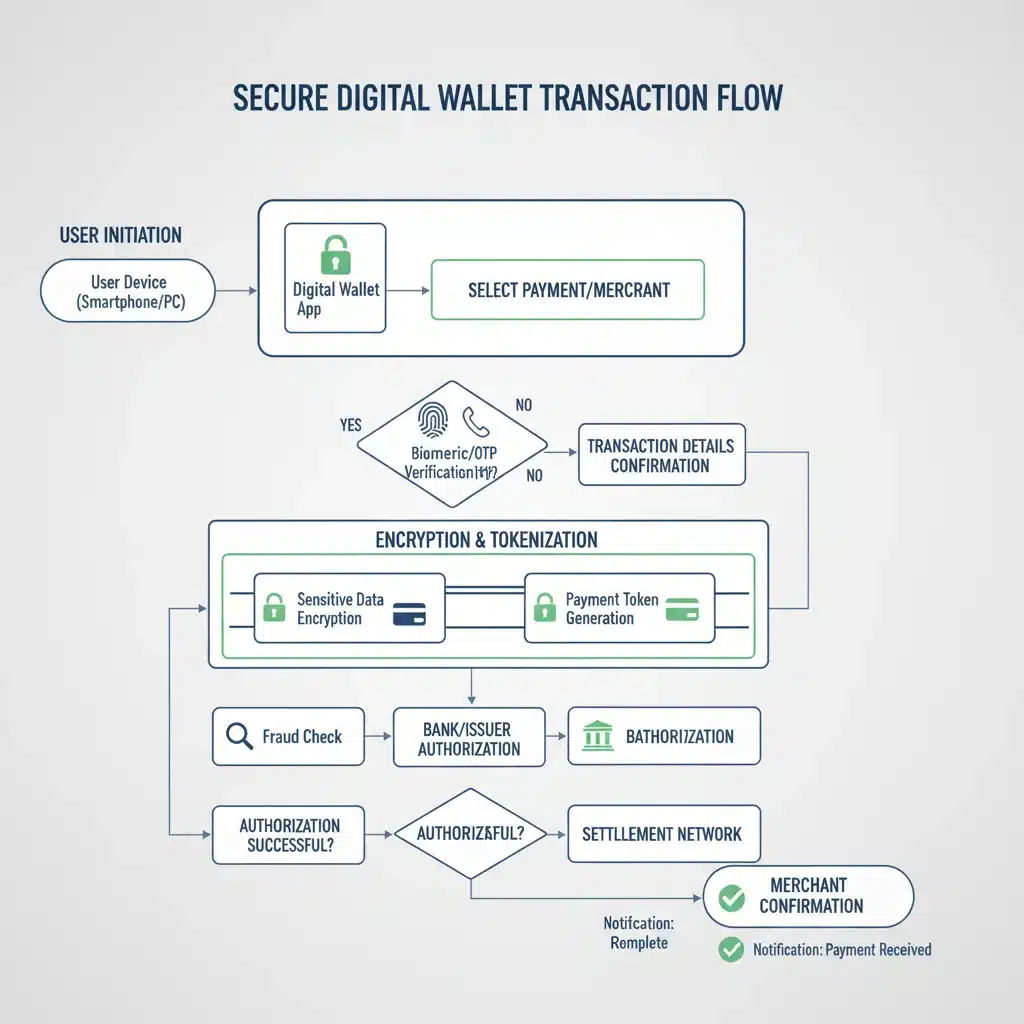
At the core of secure digital transactions are encryption and tokenization. Encryption scrambles sensitive data, making it unreadable to unauthorized parties. Tokenization replaces actual payment card numbers with a unique, randomly generated “token’ that is useless if intercepted. This means that even if a data breach occurs, the actual card details are not exposed.
- End-to-End Encryption: Ensure that all data – from the point of entry to the processing server – is encrypted.
- Payment Tokenization: Partner with payment processors that offer robust tokenization services, reducing your business’s PCI DSS compliance scope.
Multi-Factor Authentication (MFA) and Biometrics
MFA adds an extra layer of security by requiring users to verify their identity through two or more methods. This could be a password combined with a fingerprint scan, a one-time code sent to a mobile device, or facial recognition. Biometric authentication (fingerprints, facial recognition) offers a highly secure and convenient method of verification, significantly reducing the risk of unauthorized access.
- Implement MFA: Encourage or require MFA for all digital wallet transactions, especially for high-value purchases.
- Leverage Biometrics: Integrate biometric authentication features where possible, enhancing both security and user experience.
Fraud Detection and Prevention Systems
Sophisticated fraud detection systems are essential for identifying and preventing fraudulent transactions in real-time. These systems often leverage artificial intelligence (AI) and machine learning (ML) to analyze transaction patterns, flag suspicious activities, and adapt to new fraud tactics.
- AI-Powered Analytics: Utilize systems that employ AI to detect anomalies and potential fraud patterns.
- Real-time Monitoring: Implement tools that provide continuous monitoring of transactions and alerts for suspicious activities.
- Behavioral Biometrics: Explore solutions that analyze user behavior (e.g., typing speed, mouse movements) to identify potential fraudsters.
Regular Security Audits and Updates
The cybersecurity landscape is constantly evolving, making regular security audits and timely software updates non-negotiable. Businesses must continuously assess their digital wallet infrastructure for vulnerabilities and apply patches or upgrades as soon as they become available.
- Penetration Testing: Conduct regular penetration tests to identify weaknesses in your systems.
- Software Updates: Ensure all payment gateways, POS systems, and digital wallet integrations are always running the latest, most secure versions.
- Employee Training: Educate employees on cybersecurity best practices, phishing scams, and secure handling of customer data.
By prioritizing these security measures, US businesses can build a resilient digital wallet ecosystem that protects both their assets and their customers’ trust, a cornerstone of effective Digital Wallet Optimization.
Boosting Efficiency: Streamlining Digital Wallet Transactions
Beyond security, the promise of digital wallets lies in their ability to significantly enhance operational efficiency. For US businesses, optimizing transaction speed, reducing processing costs, and improving the overall customer experience are key objectives. Achieving these goals requires a strategic approach to integrating and managing digital wallet solutions.
Seamless Integration with Existing Systems
The true potential of digital wallets is unlocked when they are seamlessly integrated into a business’s existing point-of-sale (POS) systems, e-commerce platforms, and accounting software. This integration eliminates manual data entry, reduces errors, and provides a unified view of financial transactions.
- API-First Approach: Opt for digital wallet solutions that offer robust APIs for easy integration with your current infrastructure.
- Unified Payment Gateways: Consolidate various payment methods, including digital wallets, through a single, versatile payment gateway.
- E-commerce Platform Compatibility: Ensure your chosen digital wallets are compatible with popular e-commerce platforms (e.g., Shopify, Magento, WooCommerce).
Optimizing Checkout Flows for User Experience
A clunky or complicated checkout process is a major deterrent for customers. Digital Wallet Optimization involves designing intuitive, fast, and frictionless checkout flows that leverage the inherent convenience of digital payments.
- One-Click Payments: Implement options for returning customers to complete purchases with a single click using their stored digital wallet information.
- Guest Checkout Options: While encouraging digital wallet use, provide guest checkout options for new customers to avoid friction.
- Mobile-First Design: Ensure your website and app are optimized for mobile devices, as a significant portion of digital wallet transactions occur on smartphones.
Reducing Transaction Costs and Chargebacks
While digital wallets offer speed, businesses must also consider the associated costs. Negotiating favorable rates with payment processors and actively working to reduce chargebacks are vital for maximizing profitability.
- Compare Processor Fees: Regularly review and compare transaction fees from different payment processors to ensure competitive rates.
- Chargeback Prevention: Utilize advanced fraud detection tools to minimize chargebacks, which can be costly and time-consuming.
- Automated Reconciliation: Implement automated systems for reconciling digital wallet transactions with your accounting records, saving time and reducing errors.
Leveraging Data for Business Intelligence
Digital wallet transactions generate a wealth of data that, when analyzed effectively, can provide valuable insights into customer behavior, purchasing patterns, and overall business performance. This data is crucial for strategic decision-making and further Digital Wallet Optimization.
- Sales Analytics: Track sales trends, peak transaction times, and popular products or services purchased via digital wallets.
- Customer Segmentation: Use transaction data to segment customers and tailor marketing efforts.
- Performance Metrics: Monitor key performance indicators (KPIs) such as transaction success rates, average transaction value, and customer retention rates related to digital wallet usage.
By focusing on these efficiency-boosting strategies, US businesses can transform their payment processing into a competitive advantage, leading to higher customer satisfaction and improved bottom-line results.
The Future of Digital Wallets: Trends for US Businesses by 2026
The digital wallet landscape is continuously evolving, driven by technological innovations and changing consumer expectations. For US businesses, staying abreast of these trends is crucial for future-proofing their payment strategies and maintaining leadership in the market. By 2026, several key trends will define the next generation of Digital Wallet Optimization.
Emergence of Super-Apps and Integrated Financial Services
The concept of “super-apps” – single platforms offering a multitude of services beyond just payments, such as messaging, ride-hailing, food delivery, and even investment tools – is gaining traction globally and will increasingly influence the US market. These integrated platforms offer unparalleled convenience and a holistic customer experience.
- Strategic Partnerships: Businesses may need to consider partnering with or integrating into emerging super-apps to access broader customer bases.
- Expanded Service Offerings: Digital wallets might evolve to include more financial services like micro-lending, insurance, or budgeting tools, creating new revenue streams.
Increased Adoption of Cryptocurrencies and Blockchain
While still nascent in mainstream payments, cryptocurrencies and blockchain technology are poised to play a more significant role in digital wallets. As regulatory frameworks mature and volatility stabilizes, accepting crypto payments could become a differentiator for businesses.
- Crypto Payment Gateways: Explore solutions that enable the acceptance and conversion of cryptocurrencies within your digital wallet ecosystem.
- Blockchain for Security: Leverage blockchain’s inherent security features for enhanced transaction integrity and transparency.

Biometric Authentication and Passwordless Experiences
The move towards passwordless authentication is accelerating, with biometrics (fingerprint, facial, voice recognition) becoming the standard for securing digital wallets. This not only enhances security but also significantly improves the user experience by removing the friction of remembering complex passwords.
- Invest in Biometric Integration: Prioritize digital wallet solutions that offer advanced biometric capabilities.
- User Education: Educate customers on the benefits and security of biometric authentication.
Personalization and AI-Driven Insights
Digital wallets will increasingly leverage AI and machine learning to offer highly personalized experiences. This includes tailored recommendations, customized rewards, and proactive financial advice based on individual spending habits.
- AI-Powered Marketing: Use AI to analyze digital wallet data and deliver personalized offers and promotions to customers.
- Predictive Analytics: Employ AI to anticipate customer needs and offer relevant services before they are explicitly sought.
Regulatory Evolution and Compliance
As digital wallets become more pervasive, regulatory bodies will continue to adapt and introduce new guidelines concerning data privacy, consumer protection, and financial stability. US businesses must remain vigilant and ensure their digital wallet operations are fully compliant with evolving laws, including potential federal and state-specific regulations that may emerge by 2026.
- Stay Informed: Regularly consult with legal experts and industry associations to stay updated on regulatory changes.
- Build Flexible Systems: Design digital wallet infrastructures that can adapt quickly to new compliance requirements.
By proactively addressing these emerging trends, US businesses can ensure their Digital Wallet Optimization strategies remain effective and competitive into 2026 and beyond.
Implementing a Digital Wallet Optimization Strategy: A Step-by-Step Guide
Developing and executing a successful Digital Wallet Optimization strategy requires careful planning and a phased approach. For US businesses, this isn’t a one-time project but an ongoing commitment to continuous improvement. Here’s a step-by-step guide to help you get started and sustain your efforts:
Step 1: Assess Your Current Payment Landscape
Before making any changes, understand your existing payment infrastructure. Identify current pain points, security vulnerabilities, and areas of inefficiency. This includes analyzing transaction volumes, fraud rates, processing costs, and customer feedback on payment experiences.
- Inventory Existing Systems: Document all current POS systems, e-commerce platforms, payment gateways, and accounting software.
- Gather Data: Collect data on transaction success rates, chargeback rates, and customer payment preferences.
- Solicit Feedback: Survey customers and employees about their experiences with your current payment methods.
Step 2: Define Your Optimization Goals
Clearly articulate what you aim to achieve with Digital Wallet Optimization. Goals could include reducing fraud by a certain percentage, increasing transaction speed, lowering processing costs, improving customer satisfaction, or expanding into new markets.
- SMART Goals: Ensure your goals are Specific, Measurable, Achievable, Relevant, and Time-bound.
- Prioritize Objectives: Rank your goals based on their potential impact and feasibility.
Step 3: Research and Select the Right Digital Wallet Solutions
Not all digital wallet solutions are created equal. Research various providers, considering their security features, integration capabilities, cost structures, and compatibility with your business model and target audience.
- Vendor Comparison: Evaluate popular digital wallets (Apple Pay, Google Pay, Samsung Pay) and specialized solutions based on your specific needs.
- Security Certifications: Verify that chosen solutions adhere to industry security standards (e.g., PCI DSS compliance).
- Scalability: Select solutions that can scale with your business growth.
Step 4: Plan for Seamless Integration and Implementation
Develop a detailed implementation plan that outlines the steps for integrating new digital wallet solutions with your existing systems. This includes technical specifications, testing protocols, and a rollout schedule.
- Phased Rollout: Consider a phased implementation to minimize disruption and allow for adjustments.
- Thorough Testing: Conduct extensive testing to ensure all integrations function correctly and securely.
- Employee Training: Provide comprehensive training to staff on how to process digital wallet payments and handle customer inquiries.
Step 5: Monitor, Analyze, and Iterate
Digital Wallet Optimization is an ongoing process. Continuously monitor the performance of your digital wallet solutions, analyze key metrics, and use these insights to make informed adjustments and improvements.
- Performance Dashboards: Set up dashboards to track critical KPIs related to digital wallet usage and efficiency.
- Customer Feedback Loop: Establish channels for continuous customer feedback and address any issues promptly.
- Stay Updated: Keep an eye on emerging technologies and trends in the digital payment space to maintain a competitive edge.
Overcoming Challenges in Digital Wallet Adoption
While the benefits of digital wallets are clear, businesses may encounter challenges during adoption and optimization. Addressing these proactively is key to a smooth transition and successful implementation.
Customer Hesitation and Education
Some customers may be hesitant to adopt new payment technologies due to security concerns or a lack of familiarity. Businesses must actively educate their customer base on the benefits and security features of digital wallets.
- Clear Communication: Highlight the enhanced security (tokenization, biometrics) and convenience of digital wallets through marketing materials and in-store signage.
- Incentives: Offer small incentives (e.g., discounts, loyalty points) for customers who use digital wallets for the first time.
Technical Integration Complexities
Integrating new payment systems with legacy infrastructure can be complex and resource-intensive. Businesses may face challenges with compatibility, data migration, and system downtime.
- Professional Assistance: Consider hiring experienced IT professionals or consultants specializing in payment system integration.
- Modular Approach: Implement new systems in a modular fashion to minimize disruption and allow for easier troubleshooting.
Compliance and Regulatory Landscape
Navigating the complex web of payment industry regulations (PCI DSS, state-specific data privacy laws) can be daunting. Non-compliance can lead to hefty fines and reputational damage.
- Legal Counsel: Engage legal experts to ensure all digital wallet operations comply with relevant regulations.
- Automated Compliance Tools: Utilize software solutions that help automate compliance checks and reporting.
Managing Multiple Payment Options
While digital wallets are gaining traction, businesses still need to support traditional payment methods. Managing a diverse range of payment options efficiently can be a challenge.
- Integrated Payment Gateways: Use a payment gateway that can handle multiple payment types seamlessly, including various digital wallets and traditional cards.
- Streamlined Back-End: Ensure your back-end systems can reconcile transactions from different payment sources without manual intervention.
By systematically addressing these challenges, US businesses can pave the way for successful Digital Wallet Optimization, ensuring a smooth and beneficial transition to a more digital-centric payment ecosystem.
Conclusion: A Secure and Efficient Digital Future by 2026
The journey towards optimal Digital Wallet Optimization for US businesses is multifaceted, requiring a keen focus on security, efficiency, and adaptability to future trends. As we approach 2026, the businesses that will thrive are those that view digital wallets not just as a payment method, but as a strategic tool for enhancing customer experience, fortifying data security, and streamlining operational processes.
By implementing advanced security measures like encryption, tokenization, and multi-factor authentication, businesses can protect sensitive financial data and build invaluable customer trust. Simultaneously, by streamlining checkout flows, integrating seamlessly with existing systems, and leveraging data analytics, companies can unlock significant operational efficiencies and foster greater customer loyalty. The future of digital payments is dynamic, promising further innovations in super-apps, cryptocurrency integration, and hyper-personalization powered by AI. Proactive engagement with these trends, coupled with continuous monitoring and adaptation, will be the hallmark of successful US businesses in the years to come.
Embrace the power of digital wallets today and position your US business for a secure, efficient, and prosperous future in the digital economy. The time for Digital Wallet Optimization is now.