Boost Customer Loyalty: Digital Payment Programs for Retention Success
Maximizing Customer Retention: Leveraging Digital Payment Loyalty Programs for a 7% Boost in 2026
In today’s hyper-competitive market, customer retention is not just a goal; it’s the lifeblood of sustainable business growth. Companies are constantly seeking innovative ways to keep their customers engaged, satisfied, and loyal. While traditional loyalty programs have long been a staple, the advent of digital payments has ushered in a new era of possibilities, offering unprecedented opportunities to enhance customer relationships and drive repeat business. This article delves into the transformative power of digital payment loyalty programs, exploring how they can be strategically leveraged to achieve a projected 7% boost in customer retention by 2026.
The landscape of consumer transactions has shifted dramatically. With the widespread adoption of smartphones and the increasing comfort with online and contactless payments, digital payment methods are no longer a niche preference but a dominant force. This evolution presents a unique opportunity for businesses to integrate loyalty initiatives directly into the payment process, making rewards and incentives more accessible, immediate, and impactful. By understanding the mechanics and benefits of these programs, businesses can unlock significant value, fostering deeper customer connections and securing a competitive edge.
The Evolution of Loyalty: From Punch Cards to Digital Wallets
For decades, loyalty programs primarily relied on physical mechanisms: punch cards, plastic membership cards, or paper coupons. While effective to a degree, these methods often suffered from limitations such as inconvenience, loss, and a lack of real-time data. Customers might forget their cards, or the redemption process could be cumbersome, leading to diminished engagement and missed opportunities for businesses to understand their clientele better.
The digital revolution, however, has profoundly reshaped this paradigm. Digital payment loyalty programs seamlessly integrate rewards directly into the transaction experience. This means customers can earn points, receive discounts, or access exclusive offers automatically when they use their preferred digital payment method, whether it’s a mobile wallet, a linked credit card, or a dedicated app. This frictionless experience is a significant driver of adoption and sustained engagement.
Moreover, digital platforms provide businesses with a treasure trove of data. Every transaction, every reward redeemed, and every offer utilized generates valuable insights into customer behavior, preferences, and purchasing patterns. This data is crucial for personalizing offers, segmenting audiences, and optimizing program structures, moving beyond generic rewards to truly resonant incentives that foster genuine loyalty.
Why Digital Payment Loyalty is the Future of Retention
The statistics speak for themselves: acquiring a new customer can cost five times more than retaining an existing one. Furthermore, a 5% increase in customer retention can lead to a 25% to 95% increase in profits. These figures underscore the critical importance of retention strategies, and digital payment loyalty programs are proving to be exceptionally effective in this regard. Here’s why they are poised to drive that projected 7% boost in retention:
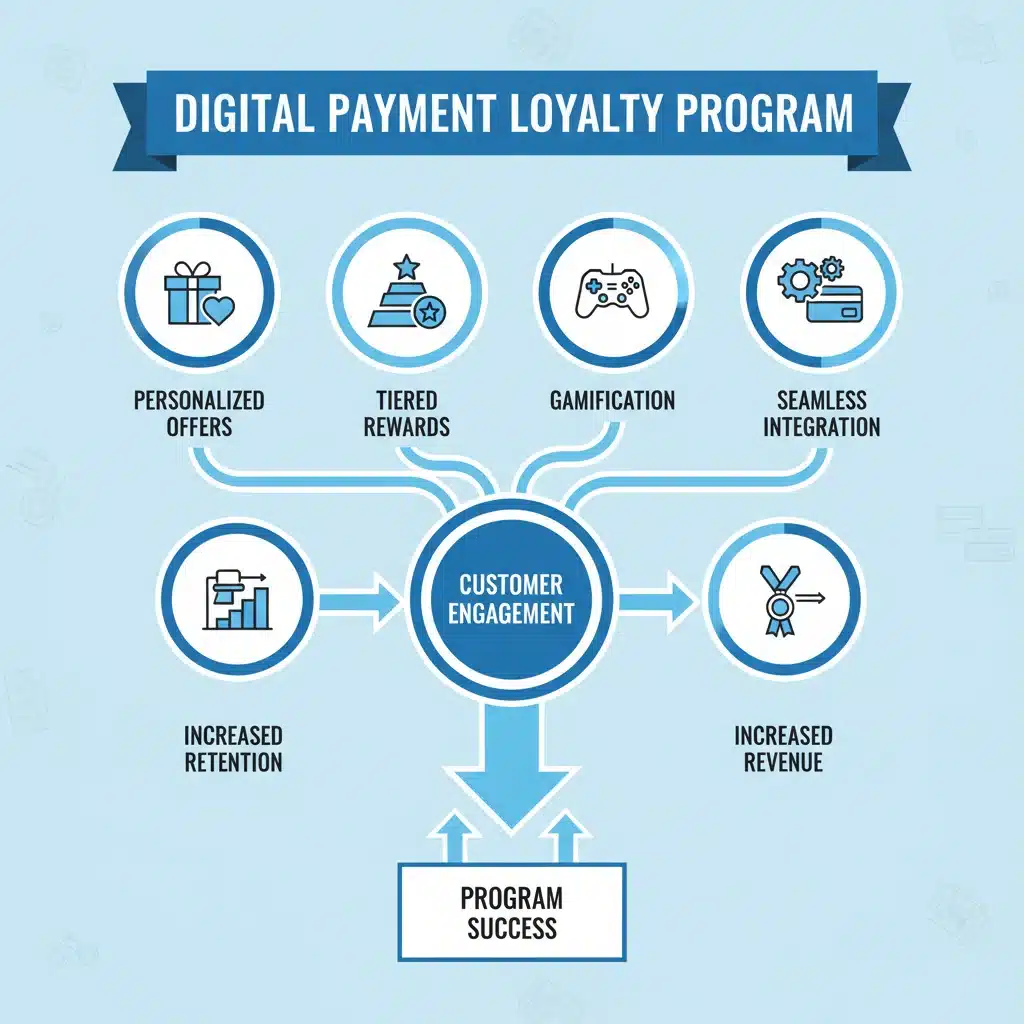
1. Seamless Integration and Convenience
The primary advantage of digital payment loyalty is its inherent convenience. Customers don’t need to carry extra cards or remember to present a separate loyalty identifier. The act of paying itself becomes the act of earning rewards. This eliminates friction points, making participation effortless and increasing the likelihood of repeated engagement. For businesses, this means higher enrollment rates and more consistent program usage.
2. Personalization at Scale
Digital platforms allow for sophisticated data analytics. By tracking purchase history, frequency, and preferences, businesses can deliver highly personalized offers and recommendations. Instead of generic discounts, customers can receive incentives tailored to their individual tastes and needs, making them feel valued and understood. This level of personalization significantly strengthens the customer-brand relationship, moving beyond transactional interactions to genuine connections.
3. Instant Gratification and Real-time Rewards
In an age of instant gratification, waiting for rewards to accrue or be processed can diminish their appeal. Digital payment loyalty programs often offer real-time updates on points earned, immediate cashback, or instant discounts at the point of sale. This immediacy creates a positive feedback loop, reinforcing desired behaviors and encouraging customers to continue engaging with the brand.
4. Enhanced Data Collection and Insights
The digital nature of these programs provides businesses with rich, actionable data. Beyond basic purchase data, companies can gain insights into customer segments, product popularity, promotion effectiveness, and even predict future purchasing behavior. This data empowers businesses to refine their marketing strategies, optimize product assortments, and continuously improve the customer experience, all of which contribute to stronger retention.
5. Increased Engagement Through Gamification and Tiers
Many digital loyalty programs incorporate elements of gamification, such as earning badges, reaching new tiers, or participating in challenges. This adds an element of fun and encourages customers to engage more deeply to unlock greater rewards. Tiered programs, where customers ascend through different levels based on their spending or engagement, also create a sense of aspiration and exclusivity, motivating them to remain loyal to achieve higher status and better benefits.
6. Cost-Effectiveness and Measurable ROI
While initial setup costs may exist, digital loyalty programs can be more cost-effective in the long run compared to traditional methods. They reduce printing costs for physical cards and coupons, streamline administrative processes, and provide clear metrics for measuring return on investment (ROI). Businesses can precisely track which offers are most effective, allowing for continuous optimization and ensuring that marketing spend is directed efficiently.
Key Strategies for Implementing Effective Digital Payment Loyalty Programs
To truly harness the power of digital payment loyalty and achieve that 7% retention boost, businesses need a well-thought-out strategy. Here are key components to consider:
1. Choose the Right Platform and Technology
The foundation of any successful digital loyalty program is robust technology. This could involve integrating with existing POS systems, leveraging third-party loyalty platforms, or developing a proprietary app. Key considerations include ease of integration, scalability, security, and the ability to capture and analyze data effectively. The platform should offer a seamless user experience for both customers and administrators.
2. Define Clear Goals and Reward Structures
Before launching, clearly define what you aim to achieve (e.g., increase purchase frequency, average order value, or customer lifetime value). Then, design a reward structure that aligns with these goals and resonates with your target audience. Options include points-based systems, cashback, tiered rewards, exclusive access, or a combination. Ensure the rewards are perceived as valuable and attainable.
3. Personalize, Personalize, Personalize
This cannot be stressed enough. Utilize the data collected to segment your audience and deliver highly personalized offers. A customer who frequently buys coffee might receive a free pastry offer, while a book lover might get a discount on their favorite genre. Personalization makes customers feel seen and appreciated, fostering a stronger emotional connection to your brand.
4. Promote and Educate Your Customers
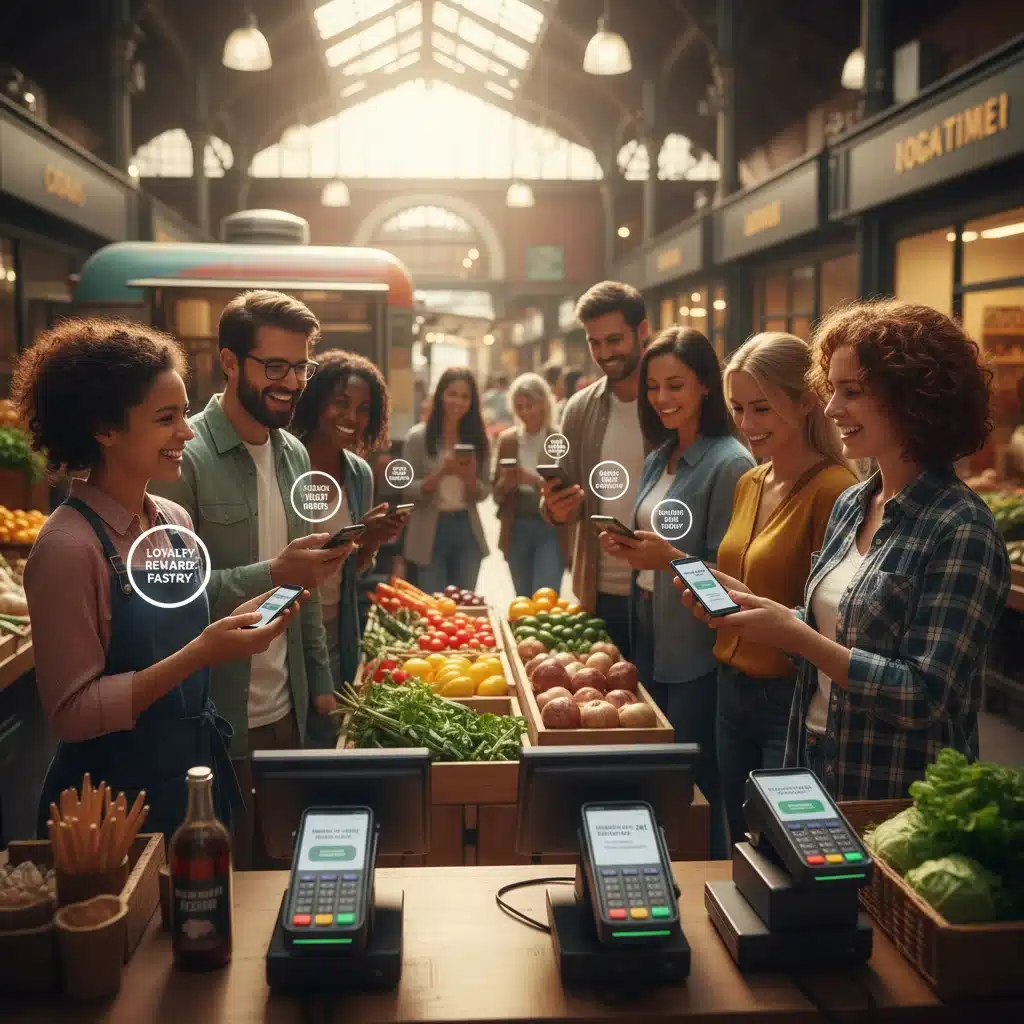
A brilliant loyalty program is useless if customers don’t know about it or understand how to use it. Launch with a strong marketing campaign across all touchpoints – in-store, online, email, and social media. Provide clear, concise instructions on how to enroll, earn, and redeem rewards. Highlight the benefits and make the enrollment process as simple as possible.
5. Incorporate Gamification and Experiential Rewards
Beyond monetary incentives, consider adding elements of gamification. This could include challenges, surprise bonuses, or status levels that unlock unique experiences, such as early access to new products, VIP events, or personalized consultations. Experiential rewards often create more memorable and impactful connections than purely transactional ones.
6. Ensure Seamless Integration with Digital Payment Methods
The core of a digital payment loyalty program is its integration with payment systems. Whether it’s through NFC, QR codes, in-app payments, or linked credit/debit cards, the earning and redemption process must be effortless and automatic. Any friction in this step can deter participation.
7. Continuously Monitor, Analyze, and Optimize
The work doesn’t stop once the program is launched. Regularly analyze performance metrics such as enrollment rates, redemption rates, customer lifetime value (CLV) of loyal members, and overall retention rates. Use these insights to identify areas for improvement, test new offers, and adapt your program to evolving customer preferences and market trends.
Real-World Examples of Successful Digital Payment Loyalty
Many businesses have already seen significant success by embracing digital payment loyalty. Consider:
- Starbucks Rewards: Integrated directly into their mobile app, customers earn stars with every digital payment, leading to free drinks and personalized offers. This program is a cornerstone of their customer engagement strategy.
- Sephora’s Beauty Insider: While not exclusively tied to digital payments, their program leverages digital platforms for points tracking, personalized recommendations, and tiered benefits, driving immense loyalty.
- Chipotle Rewards: Members earn points for every dollar spent via their app or online, redeemable for free food. The app also allows for easy ordering and payment, creating a seamless experience that encourages repeat visits.
These examples demonstrate that when implemented thoughtfully, digital payment loyalty programs can become powerful engines for fostering a dedicated customer base and driving substantial business growth.
Challenges and Considerations
While the benefits are clear, implementing a digital payment loyalty program isn’t without its challenges. Businesses must consider:
- Data Security and Privacy: Protecting customer data is paramount. Compliance with regulations like GDPR and CCPA is essential, and transparent communication about data usage builds trust.
- Integration Complexity: Integrating new loyalty software with existing POS systems, CRM, and payment gateways can be complex and require significant IT resources.
- Customer Adoption: While digital native customers may embrace these programs readily, some demographics might require more education and incentives to adopt new payment and loyalty methods.
- Reward Fatigue: If rewards are too generic or difficult to redeem, customers can experience ‘reward fatigue’ and disengage. Constant innovation and personalization are key.
- Program Costs: While potentially cost-effective in the long run, initial setup, ongoing maintenance, and the cost of rewards themselves need to be carefully budgeted.
Addressing these challenges proactively will be crucial for the sustained success of any digital payment loyalty initiative.
The Future Outlook: Beyond 2026
The projected 7% boost in customer retention by 2026 through digital payment loyalty programs is just the beginning. As technology continues to evolve, we can anticipate even more sophisticated and integrated loyalty experiences. Artificial intelligence (AI) and machine learning (ML) will play an increasingly significant role in predicting customer needs, personalizing offers with even greater precision, and identifying at-risk customers before they churn.
Furthermore, the rise of open banking and embedded finance could lead to loyalty programs that transcend individual brands, offering rewards across a network of businesses or even integrating directly with personal financial management tools. The seamlessness and value proposition of these programs will only grow, making them an indispensable tool for customer retention.
Conclusion
In the dynamic world of modern commerce, customer retention is a strategic imperative. Digital payment loyalty programs offer a powerful, data-driven approach to achieving this, seamlessly integrating rewards into the customer’s everyday transaction experience. By focusing on convenience, personalization, instant gratification, and continuous optimization, businesses can not only meet but exceed their retention goals, securing a loyal customer base and driving sustainable growth. The journey to a 7% boost in customer retention by 2026 is well within reach for businesses willing to embrace the transformative potential of digital payment loyalty. It’s time to move beyond traditional methods and build a future where every payment strengthens customer bonds.
Embracing these programs means more than just offering discounts; it means cultivating a deeper understanding of your customers, anticipating their needs, and rewarding their loyalty in ways that truly resonate. The businesses that master this integration will be the ones that thrive in the years to come, building not just transactions, but lasting relationships.
The investment in a robust digital payment loyalty strategy is an investment in your company’s future. It’s about turning every digital transaction into an opportunity to delight, engage, and retain your most valuable asset: your customers. Start planning your digital loyalty transformation today and position your business for unparalleled success.