US Fintech Data Breach Cost 2026: A $9.5 Million Reality
The digital age has brought about unprecedented convenience and innovation, particularly within the financial technology (fintech) sector. However, with great innovation comes great responsibility, especially when handling sensitive financial data. The threat landscape is constantly evolving, and cybercriminals are becoming more sophisticated in their attacks. For US fintech companies, the prospect of a data breach is not just a hypothetical risk, but a tangible and increasingly expensive reality. This article delves deep into the projected fintech data breach cost for US companies in 2026, revealing a staggering average of $9.5 million, and explores the multifaceted implications and crucial mitigation strategies.
The Escalating Threat Landscape for Fintech
Fintech, by its very nature, is a prime target for cyberattacks. It deals with vast amounts of highly sensitive personal and financial information, making it a lucrative target for malicious actors. The rapid adoption of new technologies, the interconnectedness of systems, and the pressure for rapid innovation often mean that security measures can sometimes lag behind development. This creates vulnerabilities that cybercriminals are quick to exploit. The sheer volume of transactions, the integration with traditional banking systems, and the increasing reliance on cloud infrastructure further complicate the security posture of fintech organizations.
In recent years, we’ve witnessed a dramatic increase in both the frequency and sophistication of cyberattacks targeting financial institutions. From ransomware attacks that cripple operations to elaborate phishing schemes designed to steal credentials, the methods employed by attackers are diverse and constantly evolving. The regulatory environment is also becoming more stringent, with new data protection laws imposing heavier penalties for non-compliance and data breaches. This confluence of factors contributes to the escalating fintech data breach cost.
Looking ahead to 2026, these trends are expected to intensify. The proliferation of AI-powered cyberattacks, the rise of quantum computing threats (though still nascent, the long-term implications are being considered), and the increasing geopolitical tensions that often fuel state-sponsored cyber warfare all point towards a more challenging security environment. Fintechs, with their critical role in the economy and their access to valuable data, will remain firmly in the crosshairs.
Deconstructing the $9.5 Million Average: What Contributes to the Cost?
The projected average of $9.5 million for a fintech data breach cost in 2026 is a significant sum, reflecting a complex array of direct and indirect expenses. It’s not just about the immediate financial losses; the long-term repercussions can be even more damaging.
1. Detection and Escalation Costs
Before a breach can even be contained, it must first be detected. This involves forensic investigations, engaging external cybersecurity experts, and deploying specialized tools to understand the scope and nature of the attack. These initial phases are often time-consuming and expensive. The longer a breach goes undetected, the more costly it becomes to identify and mitigate.
2. Notification Costs
Under various regulations, fintech companies are legally obligated to notify affected individuals, regulatory bodies, and sometimes even the public about a data breach. This involves preparing and sending physical or digital notifications, often requiring legal counsel to ensure compliance. The scale of these notifications can be immense, especially for companies with millions of customers.
3. Lost Business and Revenue
Perhaps one of the most significant and often underestimated components of the fintech data breach cost is the loss of business and revenue. This can manifest in several ways:
- Customer Churn: Customers lose trust in institutions that fail to protect their data, leading to account closures and a flight to competitors.
- Reputational Damage: A data breach can severely tarnish a fintech’s brand image, making it harder to attract new customers and partners.
- Downtime: System outages and operational disruptions during and after a breach can lead to significant revenue loss.
- New Customer Acquisition Challenges: A damaged reputation makes it more expensive and difficult to acquire new customers.
4. Legal Fees and Fines
The regulatory landscape is unforgiving. Data breaches often trigger investigations by governmental agencies, leading to hefty fines and penalties for non-compliance with data protection laws like GDPR, CCPA, and industry-specific regulations. Furthermore, affected individuals may pursue class-action lawsuits, adding substantial legal expenses to the overall fintech data breach cost.
5. Remediation and Recovery
Once a breach is contained, the work is far from over. Remediation involves patching vulnerabilities, enhancing security infrastructure, re-securing compromised systems, and implementing new security protocols. This can require significant investment in new technologies, software, and skilled personnel. Recovery efforts aim to restore business operations to normal and rebuild customer trust.
6. Post-Breach Monitoring and Identity Protection
To mitigate further damage and comply with regulations, fintechs often offer affected individuals credit monitoring services, identity theft protection, and other support. These services can be expensive, especially when offered to a large customer base over an extended period. This is a recurring cost that can linger for years after the initial incident.
The Unique Vulnerabilities of US Fintechs
While all industries face cybersecurity risks, US fintechs have specific characteristics that make them particularly vulnerable and contribute to their high fintech data breach cost:
- High Value of Data: Fintechs handle highly sensitive financial data, including bank account numbers, credit card details, investment portfolios, and personal identifying information, making them prime targets for financial fraud.
- Rapid Innovation Cycle: The competitive nature of fintech often prioritizes speed of development over robust security testing, leading to vulnerabilities in new products and services.
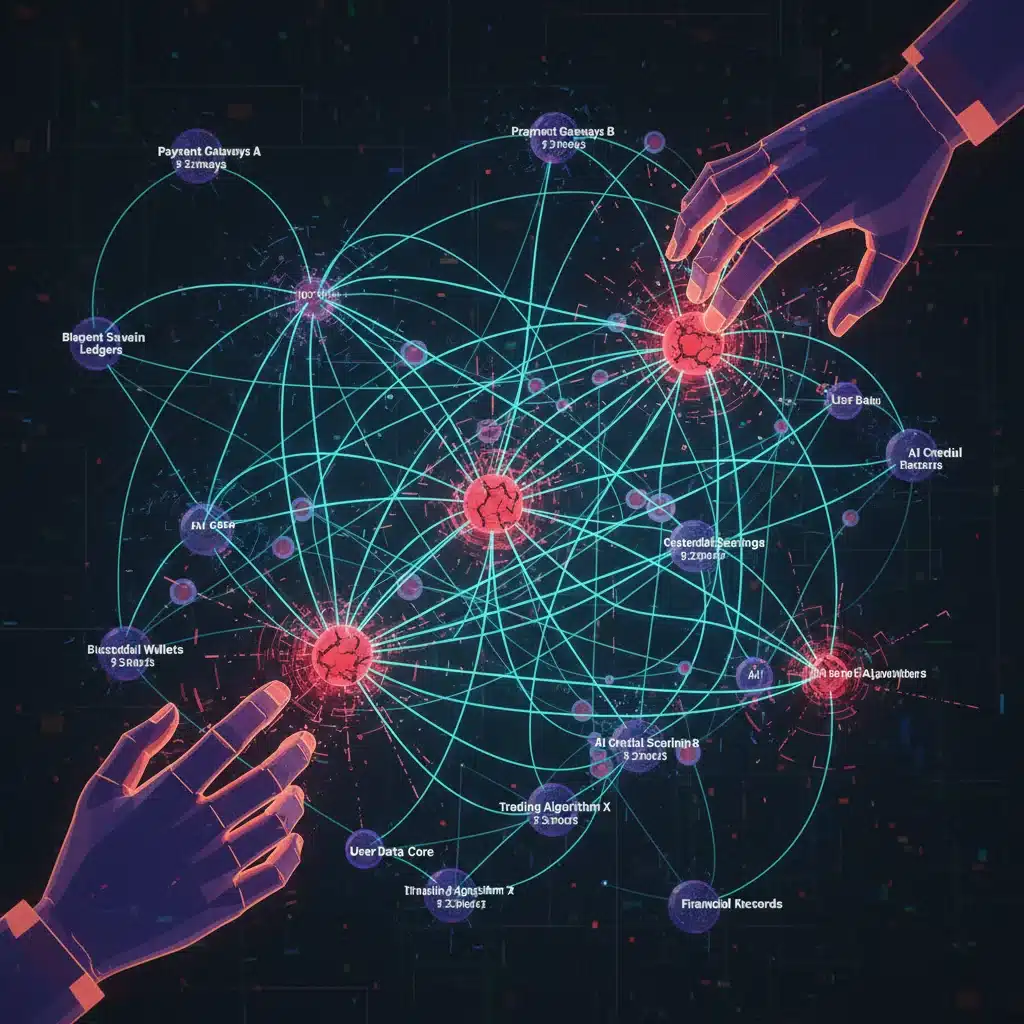
- Interconnected Ecosystem: Fintechs frequently integrate with numerous third-party vendors, APIs, and legacy banking systems. Each integration point introduces potential vulnerabilities that can be exploited. Supply chain attacks are a growing concern.
- Cloud Adoption: While offering scalability and efficiency, the extensive use of cloud services by fintechs can introduce misconfiguration risks and require specialized cloud security expertise.
- Regulatory Complexity: Navigating a patchwork of federal and state regulations (e.g., GLBA, PCI DSS, CCPA, NYDFS Cybersecurity Regulation) can be challenging, and non-compliance significantly increases breach costs.
Mitigating the Fintech Data Breach Cost: Proactive Strategies
Given the escalating costs and sophisticated nature of cyber threats, US fintechs must adopt a proactive and comprehensive approach to cybersecurity. Merely reacting to incidents is no longer sufficient; prevention and preparedness are paramount to reducing the fintech data breach cost.
1. Robust Cybersecurity Frameworks and Policies
Implementing industry-recognized cybersecurity frameworks like NIST, ISO 27001, or CIS Controls provides a structured approach to managing security risks. These frameworks help establish clear policies, procedures, and controls across the organization. Regular reviews and updates of these policies are essential to keep pace with evolving threats.
2. Employee Training and Awareness
Human error remains a leading cause of data breaches. Comprehensive and continuous security awareness training for all employees is critical. This includes training on phishing detection, strong password practices, social engineering tactics, and data handling protocols. A well-informed workforce acts as the first line of defense.
3. Advanced Threat Detection and Response
Investing in cutting-edge security technologies is non-negotiable. This includes:
- Intrusion Detection/Prevention Systems (IDPS): To monitor network traffic for malicious activity.
- Security Information and Event Management (SIEM): To aggregate and analyze security logs for suspicious patterns.
- Endpoint Detection and Response (EDR)/Extended Detection and Response (XDR): For advanced threat detection and response on endpoints and across the IT environment.
- Artificial Intelligence and Machine Learning (AI/ML): To identify anomalies and predict potential attacks more effectively.
4. Data Encryption and Access Controls
Encrypting sensitive data both in transit and at rest is a fundamental security measure. Implementing stringent access controls based on the principle of least privilege ensures that employees only have access to the data necessary for their roles. Multi-factor authentication (MFA) should be mandatory for all systems and applications.
5. Regular Security Audits and Penetration Testing
Independent security audits and penetration testing help identify vulnerabilities before attackers do. These exercises simulate real-world attacks, allowing fintechs to discover weaknesses in their systems, applications, and networks and address them proactively. Regular vulnerability assessments are also crucial.
6. Incident Response Plan (IRP)
A well-defined and regularly tested Incident Response Plan is vital. This plan outlines the steps to be taken before, during, and after a data breach, including communication protocols, roles and responsibilities, technical steps for containment and eradication, and legal/regulatory compliance. A swift and organized response can significantly reduce the overall fintech data breach cost.
7. Third-Party Risk Management
Fintechs rely heavily on third-party vendors. It’s crucial to conduct thorough due diligence on all third-party providers to assess their security posture. This includes contractual agreements that define security requirements, regular security assessments of vendors, and ensuring that their security practices align with the fintech’s own standards.
8. Cybersecurity Insurance
While not a substitute for robust security, cybersecurity insurance can help mitigate the financial impact of a data breach. It can cover costs such as legal fees, notification expenses, forensic investigations, and business interruption. However, obtaining adequate coverage requires demonstrating a strong security posture.
The Role of Regulatory Compliance in Cost Reduction
Compliance with regulations like the Gramm-Leach-Bliley Act (GLBA), the California Consumer Privacy Act (CCPA), and various state-specific data breach notification laws is not just a legal obligation; it’s a critical component of risk management and can directly influence the fintech data breach cost. Non-compliance often leads to higher fines and penalties, exacerbating the financial damage.
Furthermore, adhering to these regulations often necessitates implementing robust security controls and processes that inherently reduce the likelihood and impact of a breach. For instance, GLBA’s Safeguards Rule requires financial institutions to develop, implement, and maintain a comprehensive information security program. By meeting these requirements, fintechs build a stronger defense against cyber threats and demonstrate due diligence, which can be favorable in legal proceedings following an incident.
Proactive engagement with regulatory guidelines and frameworks demonstrates a commitment to data protection, which can also help in maintaining customer trust and reducing reputational damage – indirect but significant components of the overall breach cost.

Future Outlook: Beyond 2026
The cybersecurity landscape will continue to evolve rapidly beyond 2026. Emerging technologies like quantum computing, while still in their infancy, pose long-term threats to current encryption standards. The increasing adoption of AI in both defensive and offensive cybersecurity will create a dynamic cat-and-mouse game. Fintechs must remain agile and continuously adapt their security strategies.
The focus will likely shift even further towards predictive security, leveraging AI and machine learning to anticipate and prevent attacks before they materialize. The importance of cyber resilience – the ability to withstand, recover from, and adapt to cyberattacks – will become paramount. This includes not just technical measures but also organizational culture, leadership commitment, and robust business continuity planning.
Collaboration within the fintech industry and with government agencies will also be crucial. Sharing threat intelligence, best practices, and lessons learned from incidents can collectively strengthen the entire ecosystem against common adversaries. The collective defense mechanism will be vital in mitigating the ever-increasing fintech data breach cost.
Conclusion
The projected average fintech data breach cost of $9.5 million for US companies in 2026 serves as a stark warning and a call to action. The financial and reputational implications of a breach are too significant to ignore. Fintechs must recognize that cybersecurity is not merely an IT function but a fundamental business imperative that requires strategic investment and continuous attention from the highest levels of management.
By implementing robust cybersecurity frameworks, fostering a culture of security awareness, leveraging advanced threat detection technologies, and meticulously planning for incident response, fintechs can significantly reduce their exposure to cyber threats and mitigate the devastating financial and reputational impacts of a data breach. The future of fintech depends not only on innovation but also, crucially, on an unwavering commitment to securing the trust and data of its customers.